Category: Buying Guides

  • Questions to Ask a Postcard Printer Before You Order: A Buyer’s Checklist

    Questions to Ask a Postcard Printer Before You Order: A Buyer’s Checklist

    Published November 16, 2026. Last updated November 16, 2026.

    Before you order custom postcards, ask the printer about mockups, revisions, sizes and finishes, versions, turnaround after approval and who prepares the mailing side. Get Custom Postcards answers each one plainly: a free mockup within 24 hours, unlimited free revisions, 2 to 4 weeks after approval and nothing to pay until you approve. This checklist covers every question.
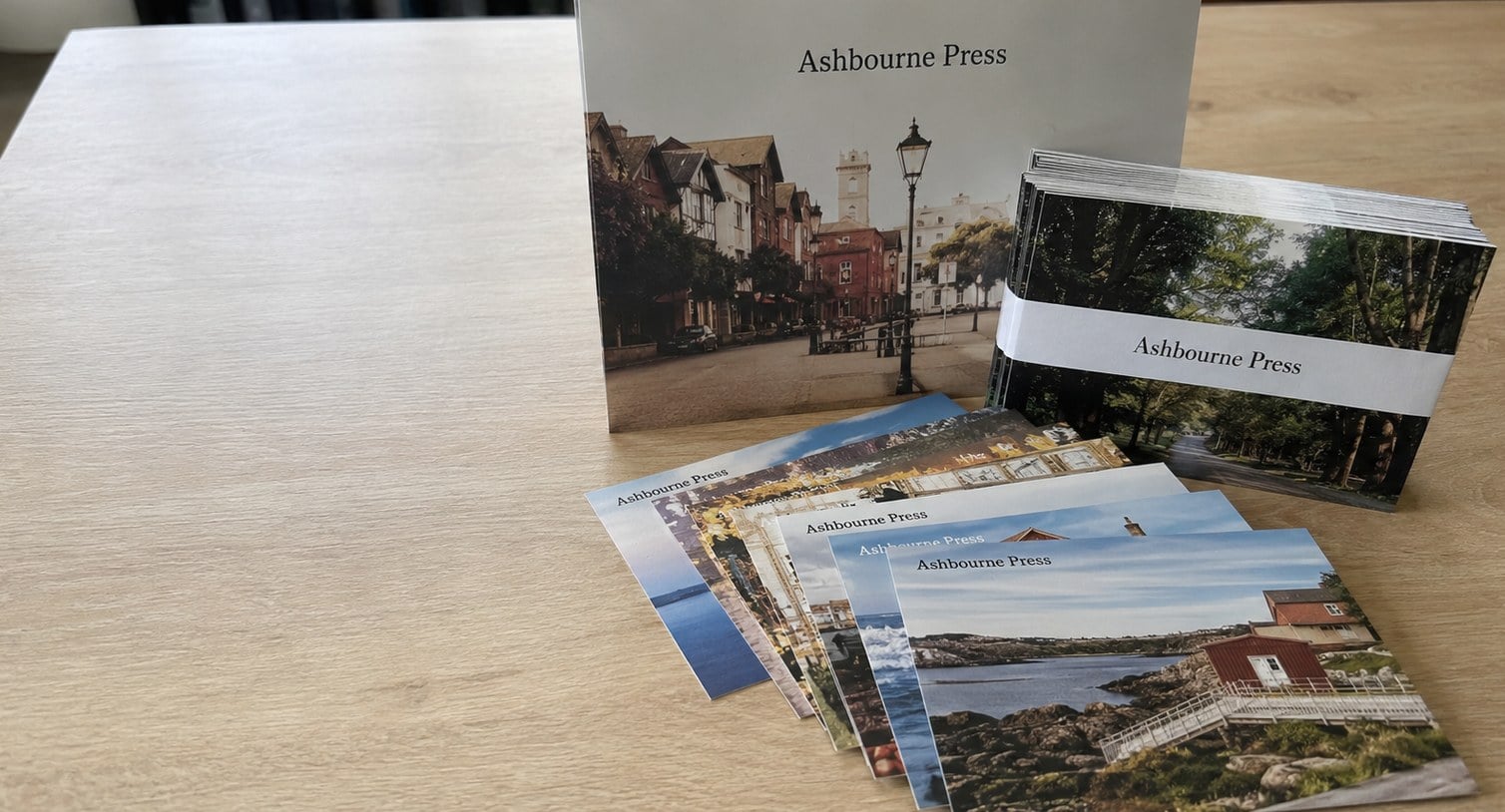
    Questions to Ask a Postcard Printer Before You Order: A Buyer's Checklist - custom printed postcards from Get Custom Postcards
    Custom postcards with a logo, produced by Get Custom Postcards.
    Key facts
    • Free mockup within 24 hours, before any payment
    • Unlimited free revisions until you approve the design
    • 2 to 4 weeks after approval; express shipping available
    • Standard, jumbo, glossy, matte and foil postcards
    • Mailing panel and EDDM layout prepared during design

    What should you ask a postcard printer before you place an order?

    Before ordering custom postcards, ask any printer five things: what it needs from you to start, whether you will see a mockup before paying, how revisions work, what the real turnaround is after approval, and who prepares the mailing side. Clear answers to those questions prevent most reprints, missed mail dates and surprise charges on a postcard order.

    Many buyers only ask about the total and the delivery date. Those matter, but they are outcomes of decisions made earlier: the size you choose, the finish, how many versions you need and whether your artwork is ready to print. A good printer will walk you through those decisions instead of quoting a number and waiting for a file.

    Use the checklist in this guide whether you are ordering your first postcards for a new shop or switching suppliers for a recurring mailing. Each section covers one group of questions, what a strong answer sounds like and how Get Custom Postcards handles it.

    • Starting: what you need to send and whether design help is included.
    • Approving: mockups, proofs and revision limits.
    • Producing: sizes, stocks, finishes and versions.
    • Delivering: turnaround, shipping and mailing preparation.

    Will I see a mockup before I pay for my postcards?

    Yes, you should always see a mockup of your postcards before any payment is due, and you should ask a printer to confirm that in writing. Get Custom Postcards returns a free mockup within 24 hours of your request, offers unlimited free revisions and asks you to pay nothing until you approve the design.

    Some printers only send a proof after the order is paid, which leaves you negotiating changes on a job you have already committed to. Others treat the proof as a formality and charge for every round of edits. Ask directly: how many revision rounds are included, and is there a fee if I change the headline, swap a photo or move the QR code?

    Also ask what the mockup shows. A useful postcard mockup shows both the front and the back, the trim edge, the safe area for text and the space reserved for the address and postage. If the printer only shows the front, you cannot judge whether your offer, phone number and return address fit around the mailing panel.

    • Is the mockup free, and how fast will it arrive?
    • Are revisions unlimited, or capped?
    • Does the mockup show both sides and the mailing area?
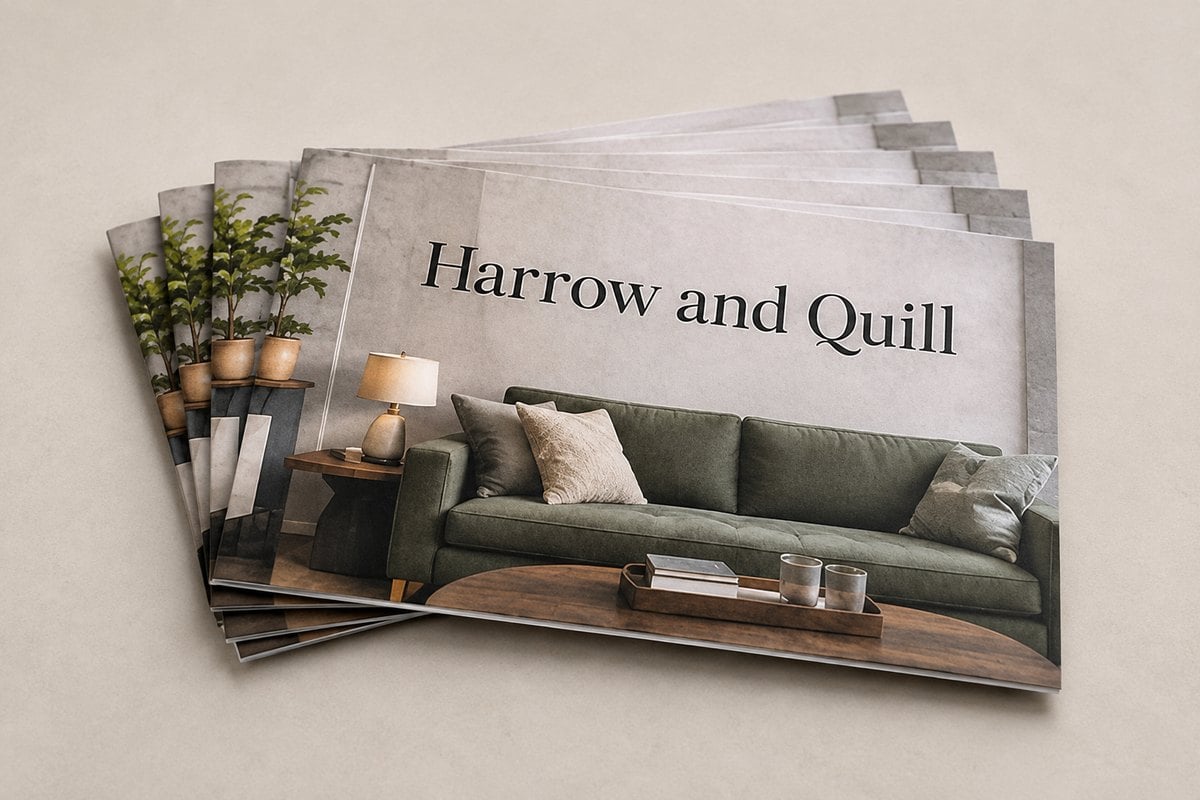
    Custom Marketing Postcards in Bulk - one of the custom postcards styles from Get Custom Postcards
    Custom Marketing Postcards in Bulk.

    What does a postcard printer need from me to get started?

    A postcard printer should be able to start with very little: your logo, the message or offer, the size you want and where the postcards are going. Get Custom Postcards can build a full design from a logo and a few lines of text, so you do not need finished artwork or design software to request a quote.

    Ask whether the printer designs from scratch or only prints files you supply. If you have existing artwork, ask what file types it accepts and whether someone will check the file for bleed, low-resolution images and text too close to the edge. Our postcard artwork checklist on the blog covers those file details in depth.

    Tell the printer how the postcards will be used. A card mailed through EDDM needs different back-side preparation than a card handed out at a counter or tucked into a shipping box. Sharing the use up front lets the printer recommend the right size, stock and layout instead of fixing problems at the proof stage.

    1. Send your logo in the best version you have.
    2. Write the headline, offer and call to action in plain words.
    3. Name the size, or ask for a recommendation.
    4. Explain whether the cards will be mailed, handed out or both.

    Which sizes, stocks and finishes can the printer actually produce?

    Ask which postcard sizes, paper stocks and finishes the printer offers before you design, because those choices shape the layout. Get Custom Postcards prints standard and jumbo postcards, full-color fronts and backs, glossy or matte finishes and foil accents, so you can match the card to the job rather than settling for one format.

    A standard postcard is the everyday choice for reminders, coupons and neighborhood mailings. A jumbo postcard gives photos and offers more room and stands out in a crowded mailbox. Our guide to standard vs. jumbo postcards explains when the larger card is worth it.

    Finish matters too. Glossy postcards make photos pop, while matte postcards are easier to write on and read under bright light. Ask whether the printer can put a different finish on each side, and whether a sample or photo of each finish is available before you decide.

    Question to askWhy it matters
    Do you print standard and jumbo sizes?Size affects design space, mail handling and impact.
    Is full color available on both sides?The back often carries the offer, map or QR code.
    Which finishes do you offer?Glossy, matte and foil change how the card looks and writes.
    Can I see the finish before printing?A sample prevents surprises on a large run.

    Can one postcard order include several versions?

    Ask whether a single postcard order can include several versions, because many businesses need different addresses, offers or photos for each location, team or audience. Get Custom Postcards prints multi-version runs, so a franchise, a multi-office practice or a seasonal campaign can keep one shared design with local details changed on each card.

    Versions are common for more reasons than locations. A home service company may send one card to past customers and another to new neighborhoods. A nonprofit may thank donors with one message and invite prospects to an event with another. Ask how versions are labeled, packed and shipped so the right cards reach the right place.

    Also ask how reorders work. If one location runs out first, can that version be reprinted without reordering the whole set? The answer tells you whether the printer keeps your approved files on hand and how easily you can repeat a mailing later. Our page on bulk logo postcards for multiple locations covers this in detail.

    How long will my postcards take after I approve the proof?

    The honest turnaround question is not “how fast can you print” but “how long after I approve the proof will the postcards be in my hands?” Get Custom Postcards prints and ships in 2 to 4 weeks after approval, and faster turnaround is available with express shipping when a mail date is close.

    Ask the printer when the clock starts. Some quotes count from the order date and others count from proof approval, which can make two similar promises very different. Your own review time counts as well: if the owner, a manager or a board needs to sign off, build those days into the plan before you commit to a mailing date.

    If the postcards are going to a mail house or straight into the mail stream, work backward from the in-home date you want, not the print date. Our postcard mailing timeline post on the blog shows how to plan each step so approvals do not squeeze production or postal delivery.

    • Does turnaround start at order or at approval?
    • Is express shipping available if the date moves?
    • Can the cards ship directly to my mail house?

    Who prepares the mailing side of the postcard?

    Ask who sets up the back of the postcard for mailing before you approve a design, because the address block, postage area and return address follow postal rules. Get Custom Postcards prepares the mailing panel as part of the design, including the layout needed for EDDM postcards, so the card is ready for the route or list you plan to use.

    Getting this wrong can send a card to the wrong postage category or force a reprint. Ask whether the printer checks the size and layout against postcard rate rules, leaves clear space for addressing and keeps your offer out of the area the post office uses for sorting and barcodes.

    Then ask what happens after printing. If you are using EDDM postcards, confirm how the cards are bundled. If you are mailing to your own list, confirm whether the cards ship to you, to a mail house or to another address you name.

    What drives the cost of custom postcards, and how do you get an accurate quote?

    The cost of custom postcards depends on the quantity, the size, the paper and finish, whether foil or other special effects are added, how many versions you need and how quickly you need them shipped. Ask the printer to quote the exact combination you plan to order rather than a sample price for a different card.

    An accurate quote also depends on clear details. If you are undecided between standard and jumbo, or glossy and matte, ask for both options on the same quote so you can compare like for like. Ask whether design work, revisions and the mailing panel setup are included or billed separately.

    Get Custom Postcards answers pricing through a custom quote, because the right answer depends on your card, not on a generic chart. Request one through the custom quote form, and you will receive the free mockup and the quote together, with nothing to pay until you approve the design.

    What should a first-time postcard buyer check before approving the order?

    Before approving a postcard order, a first-time buyer should check the proof line by line, confirm the quantity and versions, and confirm the delivery address and date in writing. Those three checks catch most problems while changes are still free and easy to make.

    Read the proof out loud. Check phone numbers, web addresses, offer dates and business hours, then scan the QR code with your phone to make sure it opens the right page. Look at photos at full size, not just in a thumbnail, and confirm that the logo and brand colors match the rest of your printed material.

    1. Check every phone number, address, date and URL.
    2. Scan the QR code and confirm the landing page.
    3. Confirm size, finish, quantity and version count.
    4. Confirm the ship-to address and the date you need the cards.
    5. Approve only when every item above is correct.

    Get Custom Postcards makes changes free until you approve, so there is no cost to asking for one more revision. Our how it works page shows each step from request to delivery.

    Frequently asked questions

    How do I compare quotes from two postcard printers fairly?

    Compare postcard quotes only when both printers are quoting the same size, quantity, stock, finish and number of versions. Ask each one whether design, revisions, the mailing panel and shipping are included. Get Custom Postcards quotes your exact card through its custom quote form, so you can line it up against another printer's offer without guessing at hidden extras or missing setup steps.

    Should a postcard printer ask how my cards will be used?

    A good postcard printer should ask whether the cards will be mailed, handed out at a counter, packed into orders or delivered door to door. The answer changes the size, the back layout and the finish that makes sense. If a printer never asks, you may end up redesigning the card at the proof stage, which delays the order and the mailing.

    Can I ask for a different design for each mailing audience?

    Postcards for different audiences can share one order with separate versions, such as one design for past customers and another for new prospects. Ask the printer how versions are labeled and packed. Get Custom Postcards prints multi-version runs, so each audience receives a message written for it while the brand, colors and layout stay consistent across every card in the run.

    What should be included in a postcard quote besides printing?

    A complete postcard quote should state whether design work, unlimited revisions, mailing panel setup, versions, finishes and shipping are part of the price. Ask the printer to spell out anything billed separately before you approve. A clear quote lets you compare suppliers fairly and avoids a surprise line item after the proof is signed off and the cards are already in production.

    How can I tell if a postcard printer understands direct mail?

    Postcards for direct mail need a printer that talks about the mailing panel, postage area, EDDM preparation and in-home dates without being prompted. Ask how the printer keeps offers clear of the sorting area and how cards are bundled for the route. Get Custom Postcards sets up the mailing side during design, so the card is ready for the post office.

    Is it worth asking a printer for samples of past postcard work?

    Samples of past postcard work show how a printer handles color, photos, small text and finishes on real cards. Ask for photos of glossy, matte and foil examples, or a physical sample if the order is large. Seeing the finish before you choose helps you decide which look fits your brand and avoids disappointment when the full run arrives.

    Who owns the design files after a printer creates my postcard?

    Postcard design files created for your order should be available for reorders, and you should ask the printer how they are stored and reused. Knowing this up front makes repeat mailings fast. Get Custom Postcards keeps approved designs on hand, so you can reorder the same card or request a small change for a new season without starting over.

    What questions should I ask about postcard reorders?

    Postcard reorders go smoothly when you ask three things before the first order: whether the printer keeps your approved files, whether one version can be reprinted on its own, and whether small edits like new dates are treated as revisions. Get Custom Postcards supports repeat runs, so a monthly or seasonal mailing can be reordered quickly from the approved design.

    Should I ask a postcard printer about paper and coating durability?

    Postcards travel through sorting machines and mailbags, so ask the printer which stock and coating hold up best for your use. A card mailed in bulk needs a sturdier build than one handed across a counter. Get Custom Postcards recommends the stock and finish during the mockup stage, based on whether the cards will be mailed, displayed or handed out.

    Can a postcard printer help write the offer on my card?

    Postcards work best with a short headline, one clear offer and one call to action, and a good printer can help shape that copy during design. Ask whether wording suggestions are included with the mockup. Get Custom Postcards can turn a few lines of rough notes into a finished layout, then refine the wording through unlimited free revisions before you approve.

    What red flags should I watch for when choosing a postcard printer?

    Postcard printer red flags include payment demanded before you see a proof, limited or paid revisions, vague turnaround that starts at an unclear point and no mention of the mailing panel. Quotes that skip finish, size or version details are another warning sign. A printer that answers each checklist question plainly is far less likely to cause a reprint or a missed mail date.

    Get a free mockup for your postcards

    Send your logo or idea and the quantity you have in mind. Get Custom Postcards returns a free mockup within 24 hours, you approve the design before anything is produced, and standard turnaround is 2 to 4 weeks with faster options available. Get a custom quote.

  • Holiday Postcards for Businesses: A Seasonal Mailing Plan for Thank-Yous, Promotions and New Year Cards

    Holiday Postcards for Businesses: A Seasonal Mailing Plan for Thank-Yous, Promotions and New Year Cards

    Published November 9, 2026. Last updated November 9, 2026.

    The best holiday postcards for a business are a thank-you greeting for loyal customers, a promotion timed before your sale, and a New Year card that books January. Get Custom Postcards designs all three, returns a free mockup within 24 hours and prints in 2 to 4 weeks after approval. This plan covers timing, wording, finishes and delivery.

    Holiday Postcards for Businesses: A Seasonal Mailing Plan for Thank-Yous, Promotions and New Year Cards - custom printed postcards from Get Custom Postcards
    Custom postcards with a logo, produced by Get Custom Postcards.
    Key facts
    • Order holiday postcards in early to mid November
    • Free mockup within 24 hours; 2 to 4 weeks turnaround after approval
    • Thank-you greetings, promotions and New Year cards can share one order
    • Foil suits top clients; jumbo suits crowded mailboxes
    • Pay nothing until you approve the design

    Which holiday postcards should a business send this season?

    Most businesses get the best results from one of three holiday postcards: a thank-you greeting to existing customers, a promotional card tied to holiday shopping or year-end bookings, and a New Year card that sets up January appointments or sales. Each one has a different job, so the front image, the message and the call to action should change with it.

    A thank-you greeting card works best for service businesses with repeat clients: accountants, salons, dental offices, landscapers and real estate agents. A promotional card suits retailers, restaurants and event venues that want holiday traffic. A New Year card is the quiet winner for anyone whose busy season starts in January, such as gyms, tax preparers and home organizers.

    • Thank-you greeting: warm photo or illustration, a short personal message, a signature and your logo.
    • Holiday promotion: one clear offer, the dates it runs, your address or website and a QR code.
    • New Year card: a fresh-start message, an early-booking reason and an easy way to schedule.

    Get Custom Postcards prints all three styles, and many customers order two versions in one run so clients get a greeting while prospects get an offer.

    When should holiday postcards be ordered and mailed?

    Holiday postcards should be ordered in early to mid November so they can print, ship and reach mailboxes before the December rush. Get Custom Postcards returns a free mockup within 24 hours, and standard turnaround is 2 to 4 weeks after you approve the design, with faster turnaround available through express shipping.

    Work backward from the week you want cards to land. Thank-you greetings feel best in the first half of December, before inboxes and mailboxes fill with year-end appeals. Holiday promotions need to arrive before the sale starts, not during it. New Year cards can land in the last days of December or the first week of January.

    Card typeIdeal arrivalOrder by
    Holiday promotionBefore your sale opensEarly November
    Thank-you greetingEarly to mid DecemberMid November
    New Year cardLate December or early JanuaryLate November to early December

    Keep in mind that the mail itself slows down in December. Leaving room on the calendar is the simplest way to avoid a greeting that shows up after the holiday it celebrates.

    Custom Marketing Postcards in Bulk - one of the custom postcards styles from Get Custom Postcards
    Custom Marketing Postcards in Bulk.

    What should a holiday thank-you postcard say?

    A holiday thank-you postcard should say three things in a few lines: thank you for this year, a specific reason you appreciate the customer, and a warm wish for the season. Keep the sales pitch off the greeting card. Customers can tell the difference between gratitude and an ad wearing a bow.

    Specific beats generic. “Thanks for trusting us with your home this year” lands better than “Season’s greetings from all of us.” A team signature, either printed from a scan of real handwriting or added by hand on an uncoated back, makes the card feel personal. Your logo and website belong on the card, but they can sit small near the signature rather than dominating the front.

    Use inclusive wording such as “Happy Holidays” or “Warm wishes for the season” unless you know your audience celebrates a particular holiday. If you serve a wide community, a winter scene or a photo of your team’s workspace dressed for the season avoids guesswork.

    Get Custom Postcards can set the message, signature and logo for you, so you only need to send the words and any photos you want included.

    How do you design a holiday promotion postcard that brings people in?

    A holiday promotion postcard brings people in when it leads with one clear offer, gives a firm deadline and makes the next step obvious. Shoppers sort December mail quickly, so the offer has to read from across the kitchen counter, and the back should answer where, when and how without making anyone search.

    1. Pick one offer. A gift card bonus, a free add-on or a holiday menu. Two or three competing offers dilute every one of them.
    2. Put the deadline on the front. A date range creates urgency and tells the recipient when to act.
    3. Show the product or place. A photo of your storefront, dish or service in a holiday setting does more than clip art.
    4. Add a QR code and a short web address. Point both to a page built for the offer so you can track results.
    5. Repeat the key details on the back. Address, hours, phone number and the redemption rule.

    Bright full-color fronts with photo-rich imagery work well here. See the full-color printed postcards page for how photos and text are balanced on both sides, and the custom marketing postcards page for promotion layouts.

    Are foil or jumbo postcards worth it for the holidays?

    Foil and jumbo postcards are worth it for the holidays when the card goes to your most valuable customers or has to stand out in a crowded mailbox. Foil adds a metallic shine to a logo, a border or a greeting, and jumbo postcards give a holiday photo more room to make an impression.

    Foil works best as an accent. A gold or silver “Thank You” or a foil snowflake border reads as premium without overwhelming the design. Save foil for the thank-you card to top clients, partners and referral sources rather than a broad promotional mailing. Details are on the foil postcards page.

    Jumbo postcards earn their place on holiday promotions and New Year cards that compete with catalogs and greeting cards. The larger face fits a bigger photo, a bold headline and a readable offer. Compare sizes on the standard vs. jumbo postcards page, or go straight to jumbo postcards in bulk.

    A common holiday plan is a split order: foil standard cards for the client list and jumbo full-color cards for prospects. Get Custom Postcards can mock up both versions side by side within 24 hours.

    Should holiday postcards be mailed to a list or delivered to a whole neighborhood?

    Holiday postcards should go to a mailing list when the goal is thanking existing customers, and to whole neighborhoods through Every Door Direct Mail when the goal is winning new holiday shoppers near your location. Many local businesses do both with two versions of the same design.

    A customer list lets you personalize the greeting and send it only to people who already know you. Neighborhood delivery skips the list entirely and blankets the carrier routes around a shop, restaurant or studio, which suits holiday events, open houses and seasonal menus. The EDDM postcards page explains how route-based mailings are set up.

    Hand-delivered cards are a third option many businesses forget. Tuck a holiday postcard into every shopping bag, takeout order or client folder in December, and include a January offer so the card keeps working after the season ends. Counter cards also make a good use for any extras left over from a mailing.

    How do you get holiday postcards right on the first proof?

    Holiday postcards come out right on the first proof when you send final dates, final wording and high-resolution images together with your request. Most seasonal delays come from offers that change after approval or photos that arrive in pieces, not from printing.

    • Confirm every date, hour and holiday closure before you approve the mockup.
    • Check that the greeting wording fits your whole audience.
    • Send the logo as a vector or high-resolution file.
    • Decide who signs off, and get that approval in one round if possible.
    • Leave space on the back for the address panel and postage area.

    Get Custom Postcards offers unlimited free revisions, and you pay nothing until you approve the design, so it is worth taking an extra look at the proof rather than rushing it. When everything is ready, start with the custom quote form, or read how it works for the full step-by-step process.

    Frequently asked questions

    Can I order holiday postcards and New Year postcards in the same run?

    Holiday postcards and New Year postcards can be printed in the same order as separate versions. Get Custom Postcards mocks up each design, and you can ship the New Year cards to yourself to mail later. Ordering together means one approval round in November and a second card ready to go out in late December without placing another rush order.

    What photos work best on holiday postcards for a business?

    Holiday postcards work best with real photos of your business dressed for the season: a decorated storefront, a holiday dish, a wrapped product or your workspace with seasonal lights. Real images feel more personal than stock clip art. Send the highest-resolution versions you have, and Get Custom Postcards will flag any image that may look soft before the card prints.

    Should holiday postcards say Merry Christmas or Happy Holidays?

    Holiday postcards should use the greeting that fits your audience. Happy Holidays, Season's Greetings and Warm Wishes cover a broad customer base, while Merry Christmas or Happy Hanukkah suit audiences you know well. Some businesses order two versions with different greetings. Get Custom Postcards can set both versions from one design so only the wording changes between them.

    Can holiday postcards include a gift card or discount code?

    Holiday postcards can carry a printed discount code, a redeemable offer or a bring-this-card promotion. Print the code clearly on the back, add a QR code that links to the offer page and state the expiration date. Get Custom Postcards can print one code for everyone or set up different versions so you can compare which mailing list responded best.

    How do I sign a large batch of holiday thank-you postcards?

    Holiday thank-you postcards are easiest to sign in bulk by scanning a real signature and printing it in a dark ink color that looks handwritten. For a short client list, order an uncoated back so you can add a personal note by pen. Get Custom Postcards will set the scanned signature so it sits naturally beside your printed message.

    Can a restaurant mail holiday postcards about catering and private parties?

    Restaurant holiday postcards are an effective way to promote catering, private party bookings and holiday menus. Lead with a photo of the spread, list the booking deadline and add a QR code to the reservation page. Get Custom Postcards can print a mailing version for nearby households and a counter version for guests who dine in during November.

    Is it too late to send holiday postcards in December?

    Holiday postcards ordered in early December can still work if you switch the plan to a New Year card or hand delivery. Standard turnaround is 2 to 4 weeks after approval, with express shipping for faster delivery. Get Custom Postcards returns the mockup within 24 hours, so a quick approval keeps a late-season order realistic.

    Can holiday postcards be addressed to each customer by name?

    Holiday postcards can carry individual names and addresses when you supply a customer list for variable printing or work with a mail house that addresses the cards. Personalized cards feel warmer than a generic Dear Neighbor greeting. Share your list format when you request a quote, and Get Custom Postcards will lay out the address panel to fit.

    Do holiday postcards work for business-to-business clients?

    Holiday postcards work well for business clients, vendors and referral partners because a card lands on a desk and gets passed around the office. Keep the message professional, thank the team by company name and include a direct contact. Foil accents on these postcards signal care without the cost of a full gift program.

    What should go on the back of a holiday greeting postcard?

    The back of a holiday greeting postcard should hold the personal message, a signature, your logo, your website and the address panel with room for postage. Keep the message short enough to read at a glance. Get Custom Postcards sets the back so the mailing area stays clear while the greeting still feels like a personal note.

    Can holiday postcards promote a January sale or booking push?

    Holiday postcards can double as a teaser for January when the front wishes customers a happy new year and the back offers an early-booking reason. Gyms, tax preparers, salons and home service companies use these cards to fill their calendars. Get Custom Postcards can date the offer for the first weeks of January so the card stays useful after the holidays.

    Get a free mockup for your postcards

    Send your logo or idea and the quantity you have in mind. Get Custom Postcards returns a free mockup within 24 hours, you approve the design before anything is produced, and standard turnaround is 2 to 4 weeks with faster options available. Get a custom quote.

  • Postcard Paper, Coatings and Care: How to Make Custom Postcards Last

    Postcard Paper, Coatings and Care: How to Make Custom Postcards Last

    Published November 2, 2026. Last updated November 2, 2026.

    Custom postcards last when the paper stock is rigid enough to stay flat in the mail and the coating suits how each card will be handled, written on or displayed. Get Custom Postcards matches stock and finish to your use and shows it in a free mockup within 24 hours. This guide covers materials, mail survival, storage and care for specialty cards.

    Postcard Paper, Coatings and Care: How to Make Custom Postcards Last - custom printed postcards from Get Custom Postcards
    Custom postcards with a logo, produced by Get Custom Postcards.
    Key facts
    • Rigid card stock keeps postcards flat through mail sorting
    • Coatings protect ink-heavy sides from scuffs and fingerprints
    • Uncoated surfaces accept pens, stamps and signatures best
    • Store postcards boxed, flat, cool and dry
    • Free mockup within 24 hours; minimum order 12

    How do paper stock and coating decide how long custom postcards last?

    Custom postcards last longest when the paper stock is heavy enough to stay flat and the coating is chosen for how the card will be handled. A postcard travels bare through sorting machines, gets carried in a bag, sits on a kitchen counter and may end up pinned to a fridge. The stock decides whether the card bends or creases on that trip, and the coating decides whether the ink scuffs, smudges or fades.

    Get Custom Postcards prints on rigid card stock built for mailing, then matches the surface to your design. A photo-heavy front often suits a protective coating, while an address panel or a card meant for handwriting needs a surface that accepts ink. Telling the team how your postcards will be used is the fastest way to land on the right combination.

    Think about durability in three stages:

    1. In transit: stiffness and edge strength matter most.
    2. In the hand: scuff resistance and a clean feel matter most.
    3. On display: color stability and a surface that resists fingerprints matter most.

    Which postcard stocks and coatings can I choose from?

    The main choice for custom postcards is between a coated stock with a protective finish and an uncoated stock with a natural, paper-like surface. Coated postcards hold sharp photos and deep color and shrug off light moisture. Uncoated postcards feel softer and accept pens, pencils and stamps easily, but colors print a little quieter.

    OptionBest forWatch out for
    Gloss coatingPhoto fronts, food, real estate, bright brand colorsShows fingerprints; ballpoint pens can skip
    Matte coatingText-heavy cards, calm brands, premium feelVery dark solids can show scuffs if handled roughly
    Uncoated stockAppointment reminders, notes, stamps, signaturesDark photos look softer; heavy ink can rub
    Foil accentsLogos, invitations, client giftsNeeds careful storage to avoid scratches

    For a deeper look at finish only, see the glossy vs matte postcards comparison. If you are unsure, describe the job in your quote request and Get Custom Postcards will recommend a stock and coating with the free mockup.

    Custom Marketing Postcards in Bulk - one of the custom postcards styles from Get Custom Postcards
    Custom Marketing Postcards in Bulk.

    Will custom postcards survive the mail without bending or scuffing?

    Well-made custom postcards survive the mail when the stock is rigid and the design leaves the mailing side clean and readable. Postal equipment moves cards quickly between rollers and belts, so the card needs enough stiffness to stay flat and an edge that does not fray. A flimsy card can jam, curl or arrive with a dog-eared corner that makes your brand look careless.

    Coatings help most on the side with the most ink. A dark, full-bleed photo front carries a lot of ink and benefits from a protective layer that resists rubbing against other mail. The address side should stay light and simple so postal scanners read it cleanly, which is why most mailing panels sit on a white or very pale background.

    A few design choices also improve survival:

    • Keep key text and logos inside the safe area so trimming never clips them.
    • Avoid placing a thin, dark border right at the edge, where wear shows first.
    • Choose a jumbo postcard for long copy rather than cramming small type onto a standard card.

    How should I store custom postcards so they stay flat and clean?

    Store custom postcards flat, in their original boxes, in a cool and dry room away from direct sun. Paper absorbs moisture from the air, and a box left in a damp garage, a hot car or beside a heating vent can cause curl, warping or a dull, wavy surface. Flat, dry and dark is the simple rule.

    Leave the postcards wrapped until you need them. The shrink-wrap or paper bands that come from production keep stacks tight and protect edges from dust. When you open a bundle, take only what you need for the day and put the rest back in the box with the lid closed.

    Good storage habits for postcards you will use over several weeks:

    • Keep boxes off the floor so a spill or mopped floor cannot reach them.
    • Stack boxes flat, never on their ends, so cards do not bow.
    • Store foil and dark-coated cards with a sheet of plain paper between loose stacks to prevent rubbing.
    • Label each box with the design version and date so staff use older stock first.

    How do I keep postcards looking sharp at a counter or in a display?

    Postcards on a counter, rack or window display stay sharp when they are out of direct sunlight and refreshed from a stored supply rather than left out for months. A rack near a sunny window can slowly wash out bright colors, and a stack that dozens of customers flip through will pick up fingerprints and bent corners.

    For counter use, a coated stock with a matte or gloss finish holds up better than uncoated paper because the surface wipes clean and resists oils from hands. Keep a small stack out and top it up from the box, so the cards customers take are always crisp. Businesses that hand out appointment reminder cards often keep a stack at reception for exactly this reason.

    If postcards will be framed or pinned up as art, ask Get Custom Postcards about a finish suited to display. A photo or artwork postcard that people keep is a long-running advertisement, so the surface should still look good long after the mailing date has passed.

    Do foil and specialty postcards need extra care?

    Foil and specialty postcards need gentler handling than standard printed cards because the metallic layer sits on top of the paper and can scratch if loose cards slide against each other. Treat them like invitations: keep them boxed, handle them by the edges and avoid stacking heavy items on top.

    When foil postcards are mailed bare, the foil should cover logos and accents rather than the entire card, which keeps the effect crisp after sorting. For gala invitations, client thank-you cards or high-value announcements, many buyers mail foil postcards in an envelope so they arrive pristine. The same idea applies to any postcard meant as a keepsake.

    Write by hand on foil areas with care, since many pens will not grip a metallic surface. Plan a clear, uncoated or matte writing area if you or your staff will add signatures or personal notes, and mark it on your artwork so the mockup shows exactly where ink can go.

    How do I choose durable postcards when I request a quote?

    The easiest way to get durable custom postcards is to tell Get Custom Postcards how each card will be used, not just what it should look like. A quote request that says the cards will be mailed bare, handed out at events or signed by hand gives the team what they need to recommend the right stock and coating.

    Include these details in your request:

    1. How the postcards will travel: bare in the mail, in envelopes, or by hand.
    2. Whether anyone will write, stamp or sign on them.
    3. How long you expect to keep extra stock on hand.
    4. Whether any cards will be displayed in a window or on a counter.
    5. Any special finish you want, such as foil.

    Get Custom Postcards returns a free mockup within 24 hours, offers unlimited free revisions and asks you to pay nothing until you approve the design. Standard turnaround is 2 to 4 weeks after approval, with faster turnaround available with express shipping, and the minimum order is 12 postcards. Start with the custom quote form or read how it works first.

    Frequently asked questions

    Will custom postcards bend or crease while going through the mail?

    Custom postcards printed on rigid card stock rarely bend or crease in the mail, because the stiffness lets them move flat through sorting machines. Problems usually come from thin paper or long copy squeezed onto a small card. Get Custom Postcards prints on stock made for mailing, and choosing a jumbo size for wordy designs keeps the layout open without weakening the card.

    Does a coating stop postcard ink from scuffing during mail sorting?

    Postcards with a protective coating resist scuffing much better than uncoated cards, especially on dark, ink-heavy photo fronts that rub against other mail. The coating adds a thin layer over the ink so rollers and neighboring envelopes do less damage. Keep the address side light and simple so the mailing panel stays readable even if the front picks up minor wear.

    How should I store leftover custom postcards between mailings?

    Leftover custom postcards should go back in their original box, stored flat in a cool, dry room away from sunlight and heat vents. Keep the shrink-wrap on unopened bundles and stack boxes flat rather than on their ends. Label each box with the design version so staff use older postcards first and nothing outdated gets mailed by mistake.

    Can humidity or a damp storage room damage printed postcards?

    Printed postcards can curl, warp or lose their crisp surface when stored somewhere humid, such as a basement, garage or room near a dishwasher. Paper absorbs moisture from the air, so the fix is simple: keep boxes closed, off the floor and in a climate-controlled space. Get Custom Postcards ships cards wrapped and boxed to protect them until they are needed.

    Should counter-display postcards use a different stock than mailed postcards?

    Counter-display postcards benefit from a coated finish that wipes clean and resists fingerprints, while mailed postcards mainly need stiffness to survive sorting. The same rigid stock often works for both, with the coating chosen for handling. If one design will be mailed and also stacked at reception, mention both uses in your quote request so the finish suits both jobs.

    Can I keep a box of custom postcards on hand for months without curling?

    Custom postcards can stay flat and fresh for months when they remain boxed, wrapped and stored flat in a dry, temperature-steady room. Curling comes from moisture and uneven pressure, not time alone. Avoid storing postcards in vehicles, near windows or under heavy items. Rotate stock so older cards go out first, and reorder before a design or offer starts to look out of date.

    Do foil postcards need special handling when storing or mailing them?

    Foil postcards need a little more care because the metallic layer can scratch when loose cards slide together. Keep them boxed, handle them by the edges and slip plain paper between loose stacks. For gala invitations or client gifts, many Get Custom Postcards buyers mail foil cards in envelopes so the shine arrives untouched, while bare mailings work best with foil on logos and accents.

    Can I request an uncoated, natural paper look for custom postcards?

    Custom postcards can be requested with an uncoated, natural paper feel, which suits handwritten notes, stamps and calm brands. Describe the look you want in your quote request and the team will confirm what is available and show it in the free mockup. Get Custom Postcards will also point out where an uncoated surface may soften dark photos so you can decide confidently.

    What causes ink to rub off postcards, and how can it be prevented?

    Ink rubs off postcards most often on heavy, dark areas of uncoated stock, or when cards are handled before they have fully settled after printing. A protective coating on ink-heavy sides prevents most rubbing, and lighter backgrounds on handled areas help too. Get Custom Postcards reviews each design during the mockup stage and will suggest a coating when the artwork carries a lot of ink.

    How should custom postcards be shipped to a mail house so they arrive flat?

    Custom postcards travel safely to a mail house when they stay in their production boxes with bundles wrapped and boxes packed tightly so cards cannot shift. Share the mail house address in your order and Get Custom Postcards can ship there directly. Ask the mail house to keep the boxes flat and dry until processing so every postcard enters the mail in good condition.

    Do photo-heavy postcard fronts need a different finish than text-heavy backs?

    Photo-heavy postcard fronts usually benefit from a protective finish that keeps colors rich and resists scuffs, while text-heavy backs need a surface that stays readable and, in some cases, accepts ink. The two sides do different jobs, so the finish can follow the job. Describe each side in your request and the mockup will show how the combination comes together before anything prints.

    Will a heavier postcard make my business look more established?

    Postcards on sturdy, rigid stock feel more substantial in the hand, and recipients tend to read that weight as care and quality. A thin card can feel disposable no matter how strong the design is. Get Custom Postcards prints on rigid mailing stock by default, and pairing it with a clean layout and a suitable finish does more for perceived quality than any single feature.

    Get a free mockup for your postcards

    Send your logo or idea and the quantity you have in mind. Get Custom Postcards returns a free mockup within 24 hours, you approve the design before anything is produced, and standard turnaround is 2 to 4 weeks with faster options available. Get a custom quote.

  • Postcard Mailing Timeline: How to Plan Backward From Your In-Home Date

    Postcard Mailing Timeline: How to Plan Backward From Your In-Home Date

    Published October 26, 2026. Last updated October 26, 2026.

    To time custom postcards well, start from the in-home date and work backward: mail entry, 2 to 4 weeks of production after approval, the free 24-hour mockup and a content lock before that. Get Custom Postcards builds the design for you, but the schedule only holds when every stage before production is planned. This guide shows each stage in order.

    Postcard Mailing Timeline: How to Plan Backward From Your In-Home Date - custom printed postcards from Get Custom Postcards
    Custom postcards with a logo, produced by Get Custom Postcards.
    Key facts
    • Plan from the in-home date, not the print date
    • Free mockup within 24 hours of a complete request
    • Standard turnaround is 2 to 4 weeks after proof approval
    • Faster turnaround is available with express shipping
    • Minimum order is 12 postcards

    How far ahead should I order custom postcards for a mailing?

    Start planning custom postcards from the date you want them in mailboxes, not the date you want to place the order. Get Custom Postcards needs time for the free mockup, your review, any revisions and 2 to 4 weeks of standard production and shipping, and the mail itself still needs time to move once the postcards are handed off. Planning backward from the in-home date is the simplest way to avoid a rushed launch.

    The in-home date is the day a household actually holds your postcard. For a sale, an open house, a grand opening or a donation deadline, that date matters far more than the print date. A postcard that lands the morning after the event is wasted paper, while one that arrives a few days early gives people time to plan around it.

    Write the in-home date at the top of your plan, then work back through each stage below. If any stage depends on another person, such as a manager approving copy or a partner sending a logo, add a buffer for that handoff too.

    What are the stages of a postcard timeline, working backward?

    A postcard timeline has five stages, and each one has to finish before the next can start. Listing them in reverse order, from the in-home date back to today, shows you the real deadline for the first decision you need to make.

    1. In-home window: the days you want households to receive the postcards, set by your event or offer.
    2. Mail entry: the day the postcards enter the mail stream, whether you drop them at the post office, hand them to a mail house or use an EDDM route drop.
    3. Production and shipping: 2 to 4 weeks of standard turnaround after you approve the proof, with faster turnaround available through express shipping.
    4. Proof approval: the free mockup arrives within 24 hours of a complete request, followed by unlimited free revisions until you approve.
    5. Content lock: the date your offer, dates, address, QR code destination and photos are final.

    Most delays happen at the last stage on this list, which is the first one you actually do. Teams often wait on a final offer or an approved photo, then lose the cushion they planned for production. Locking content early protects every later stage.

    Custom Marketing Postcards in Bulk - one of the custom postcards styles from Get Custom Postcards
    Custom Marketing Postcards in Bulk.

    How does mail delivery time change the plan for postcards?

    Mail delivery time is the stage you control least, so give it the widest cushion in your postcard plan. Once the postcards leave your hands, delivery speed depends on the mail class, the size of the mailing, how the cards are prepared and where they are going. Marketing mail generally moves more slowly than First-Class mail, and that difference should shape your mail entry date.

    For local saturation campaigns through Every Door Direct Mail, you drop bundled postcards at the post office that serves the chosen routes, which keeps the path short. Mailings to a purchased or customer list may travel through several facilities before delivery. Neither path offers a guaranteed in-home date, so build in room on both sides of your target.

    If the date is firm, such as an event with tickets, aim for the early edge of your in-home window rather than the middle. A postcard that arrives a little early still works. A postcard that arrives late cannot be fixed. You can read more about route mailings on the EDDM postcards page and about mailing rules in the postcard blog.

    What should be ready before I request a postcard mockup?

    Have your content, logo and mailing approach decided before you request a mockup, because the 24-hour mockup clock only helps if the request is complete. Get Custom Postcards can start designing as soon as it knows the size, the finish, the message and how the postcards will be mailed, and every missing piece adds another round of back and forth.

    • Size: standard or jumbo, which also affects how the address side is laid out.
    • Finish and extras: glossy or matte, and whether any foil accents are planned.
    • Front message: headline, offer and the one action you want people to take.
    • Back details: address, hours, phone, website, QR code destination and any offer terms.
    • Mailing method: EDDM, a mailing list, a mail house or hand distribution.
    • Logo and photos: the best version you have, even if it needs cleanup.

    You do not need finished artwork. The design team builds the layout for you, and unlimited free revisions mean the first mockup is a starting point. What slows a project is not imperfect files but undecided content, such as an offer that changes after the proof is approved.

    Can I get postcards faster if my mailing date is close?

    Yes, postcards can arrive faster than the standard schedule when express shipping is added, so a close mailing date does not always mean starting over. Production and shipping usually take 2 to 4 weeks after proof approval, and faster turnaround is available with express shipping. The free mockup still arrives within 24 hours, which keeps the design stage short even on a tight schedule.

    A rush timeline works best when the remaining stages are also compressed. That means approving the proof quickly, keeping revisions focused, and having the mailing method sorted before the postcards arrive. If the postcards are going to a mail house or need EDDM bundling, confirm that partner can process them on the day you expect delivery.

    Tell Get Custom Postcards your in-home date when you request a quote. The team can then tell you whether standard turnaround fits or whether express shipping is the safer choice, and you can decide before anything prints. You pay nothing until you approve the design.

    How do I plan a postcard series instead of a single drop?

    A postcard series needs one master calendar with every drop listed, so each round of postcards is designed and printed well before its mail date. Repeated drops to the same households, such as a seasonal service reminder or a multi-touch real estate farm, usually perform better when they arrive on a steady rhythm rather than in a rush.

    The easiest way to keep a series on schedule is to design every card in the series at once, then print them on a staggered schedule or in a single order. Shared layout elements, such as the logo placement, color palette and address panel, stay consistent, while the front headline and offer change from drop to drop.

    ApproachBest whenTimeline benefit
    Design all, print all at onceOffers and dates are known in advanceOne proof cycle and one production run
    Design all, print each drop separatelyOffers may change between dropsArtwork is ready, only production repeats
    Design and print each drop as neededEach card reacts to results from the lastMost flexible, but needs the longest lead time per drop

    Whichever approach you choose, set the content lock date for each drop on the calendar, not just the mail date. The minimum order of 12 means even small test drops can follow the same plan.

    Which postcard types need extra lead time?

    Postcards with special finishes, reply panels or several versions need a little more planning time than a single full-color card, mostly at the proof stage. The production schedule is still 2 to 4 weeks, but each extra element adds decisions you should make before the mockup request.

    • Foil postcards need the foil areas marked clearly so the proof shows exactly what will shine.
    • Business reply postcards need the reply panel details settled before the layout is final.
    • Jumbo postcards carry more copy and photos, which can mean more review rounds.
    • Multi-version orders, such as one design per neighborhood or location, need each version proofed and approved.
    • Appointment reminder cards often need write-in lines that work with pens, so finish choice matters early.

    If your mailing uses one of these, move your content lock date earlier rather than squeezing production. A clear brief on day one keeps a detailed postcard on the same schedule as a simple one.

    What does a sample backward timeline look like for postcards?

    A sample backward plan for custom postcards lists each milestone with the person responsible, starting from the in-home window and ending with today. Use it as a template and fill in your own dates once you know your mailing method and whether you need express shipping.

    MilestoneWho owns itWhat has to be true
    In-home windowYouEvent or offer date confirmed
    Mail entryYou or your mail housePostcards delivered, bundled and ready
    Postcards arriveGet Custom Postcards2 to 4 weeks after proof approval, faster with express shipping
    Proof approvedYouEvery detail checked on the final mockup
    Mockup receivedGet Custom PostcardsWithin 24 hours of a complete request
    Content lockedYou and any approversOffer, dates, address and QR destination final

    Once the table is filled in, share it with anyone who has to sign off. When everyone can see that a late approval moves the in-home date, approvals tend to arrive on time. To start your own plan, send your in-home date through the quote form or review the steps on how it works.

    Frequently asked questions

    When should I lock the offer on a postcard mailing?

    Lock the offer on custom postcards before you request the mockup, because a changed offer after approval restarts the proof stage. Get Custom Postcards returns a free mockup within 24 hours of a complete request, so decide the discount, expiration date and terms first. A locked offer lets production begin as soon as you approve, keeping the 2 to 4 weeks of turnaround intact.

    What is an in-home date for postcards?

    An in-home date for postcards is the day or range of days you want recipients to have the card in hand. Planning from the in-home date, rather than the print date, keeps your mailing tied to the event or offer it supports. Get Custom Postcards can plan production around that date when you share it in your quote request.

    Can I order postcards before my event details are final?

    Postcards can be designed before every event detail is final, but they should not be approved until dates, times and addresses are confirmed. Get Custom Postcards offers unlimited free revisions, so you can start with placeholder text and refine it. Only approve the proof once every detail is correct, since production begins right after approval.

    How long does a postcard proof review usually take on my side?

    Proof review time for postcards depends on how many people must approve the design. A single owner can often approve on the same day the mockup arrives, while a committee or franchise may need several days. Build that review time into your plan, and name one final approver so Get Custom Postcards hears one clear decision.

    Should postcards arrive before or after a holiday weekend?

    Postcards tied to a holiday promotion should usually arrive before the holiday weekend, since people plan purchases and visits ahead of time. Mail moving through a long weekend can also slow down. Aim the in-home window for the days leading up to the holiday, and order early enough that standard turnaround of 2 to 4 weeks fits comfortably.

    Can postcards ship directly to my mail house?

    Postcards can usually be shipped to a mail house instead of your own address, which removes a handoff from the timeline. Share the mail house address and any receiving requirements when you request a quote from Get Custom Postcards. Confirm with the mail house that it expects the delivery and can process the postcards promptly after they arrive.

    What happens to my postcard timeline if I add a second design?

    Adding a second design to a postcard order mainly affects the proof stage, because each version needs its own mockup and approval. Production for all versions still runs on the standard schedule of 2 to 4 weeks after final approval. Request every version at once so the mockups arrive together, and approve them as a set to avoid staggered production.

    Is express shipping worth it for a postcard mailing?

    Express shipping for postcards is worth it when the in-home date cannot move and the standard schedule leaves no cushion. Events with tickets, store openings and deadline-driven offers usually justify faster delivery. For flexible campaigns, standard turnaround of 2 to 4 weeks is enough. Get Custom Postcards can tell you which option fits once it knows your target date.

    How can I keep postcard approvals from delaying my mailing?

    Postcard approvals stay on schedule when one person is named as the final approver and every reviewer sees the mockup at the same time. Share the backward timeline so reviewers know their deadline. Get Custom Postcards sends the free mockup within 24 hours, and quick, consolidated feedback keeps revisions to a minimum and production on track.

    Can I reorder the same postcards quickly for a second mailing?

    Reordering the same postcards is faster than a new order because the artwork is already approved. Get Custom Postcards can reuse the final design, and you only need to confirm quantity and any updated details, such as a new date or offer. Production still takes 2 to 4 weeks, so place the reorder well before the second mail date.

    What mailing details should I share when I request postcards?

    Share the mailing method, the in-home date and any mail house or EDDM plans when requesting postcards. Those details affect how the address side is set up and whether express shipping makes sense. Get Custom Postcards uses them to prepare an accurate mockup and timeline, so your quote reflects the real schedule rather than a guess.

    Do hand-delivered postcards need a different timeline than mailed ones?

    Hand-delivered postcards need a shorter timeline because there is no mail stage after the cards arrive. Plan production of 2 to 4 weeks plus time to organize volunteers or staff for the drop. Postcards handed out at counters, events or door to door can be ordered closer to the date, but locking content early still prevents last-minute delays.

    Get a free mockup for your postcards

    Send your logo or idea and the quantity you have in mind. Get Custom Postcards returns a free mockup within 24 hours, you approve the design before anything is produced, and standard turnaround is 2 to 4 weeks with faster options available. Get a custom quote.

  • How Many Custom Postcards Should You Order? A Quantity Planning Guide

    How Many Custom Postcards Should You Order? A Quantity Planning Guide

    Published October 21, 2026. Last updated October 21, 2026.

    The right number of custom postcards starts from a real count: your cleaned mailing list or EDDM route, the visitors you expect before the card goes out of date, and a small reserve for samples and staff. Get Custom Postcards prints from a minimum of 12, so you can order exactly what you need and reorder from approved artwork when stock runs low.

    How Many Custom Postcards Should You Order? A Quantity Planning Guide - custom printed postcards from Get Custom Postcards
    Custom postcards with a logo, produced by Get Custom Postcards.
    Key facts
    • Minimum order is 12 custom postcards
    • Count from a cleaned list, an EDDM route total or real foot traffic
    • Free mockup within 24 hours for every version
    • Standard turnaround 2 to 4 weeks, faster with express shipping
    • Reorders start from your approved artwork

    How many custom postcards should you order?

    The right number of custom postcards is your mailing count plus your hand-out count plus a small reserve, rounded to a quantity you can actually use before the message goes stale. Start from a real list, a real route or a real counter, never from a round number that simply sounds right. Get Custom Postcards prints from a minimum of 12, so the floor is low and you can size the order to the job.

    Most postcard orders fall into one of three shapes. A mailed campaign is sized by addresses or carrier routes. A counter or event card is sized by the people you expect to meet. A keep-on-hand card, such as an appointment reminder or a thank-you, is sized by how many you hand out over a season. Each shape has a different way of counting, and mixing them up is the most common reason buyers end up with boxes left over or run out in the first week.

    • Mailed cards: count addresses or routes first, then add a reserve.
    • Hand-out cards: count visitors, guests or appointments for the period the card stays current.
    • Keep-on-hand cards: count how many leave the counter in a normal month, then decide how many months to cover.

    How do you count postcards for a mailing list or EDDM route?

    Postcards for a mailing list are counted from the cleaned list, not the raw export. Remove duplicates, old addresses and anyone who asked not to hear from you, then use what remains as the base number. For EDDM postcards, the base is the total of residential or business addresses on the carrier routes you choose, since every address on a selected route receives a card.

    After the base, add a reserve for the cards you will want that never go in the mail: samples for the office, a few for staff to recognize when customers mention them, and replacements for any that are damaged while you bundle. If you plan to mail the same list more than once, decide that now. Repeat mailings to the same households usually perform better as a planned series, and a series is easier to quantity-plan as separate designs than as one large stack of a single card.

    1. Export and clean the list, or select your EDDM routes.
    2. Write down the address count as the base.
    3. Add a small reserve for samples, staff and damage.
    4. Decide whether this is a single drop or one card in a series.
    Custom Marketing Postcards in Bulk - one of the custom postcards styles from Get Custom Postcards
    Custom Marketing Postcards in Bulk.

    How many postcards do you need for a counter, event or hand-out?

    Hand-out postcards are counted from foot traffic over the time the card stays accurate. A card with an event date, a seasonal offer or a limited menu has a short shelf life, so the order should match the visitors you expect before that date passes. A card with evergreen information, such as your services, a QR code to booking or a referral message, can be sized for a longer stretch.

    For an event, count expected guests and add cards for the staff table, sponsors and anyone who asks for an extra to pass on. For a shop counter, look at a normal week of customers and ask what share actually takes a card when it is offered. That share is usually smaller than owners expect, which is why counter cards are where overordering happens most. Sizing for a shorter period and reordering is almost always the better plan, especially with a minimum of just 12 and a free mockup that keeps the artwork ready for the next run.

    Is it better to order more postcards up front or reorder later?

    Ordering more postcards up front makes sense only when the design will stay accurate for the whole time the cards are in use. If any detail on the card could change, such as an offer, a date, a staff name, a phone number or a seasonal photo, a smaller order with a planned reorder protects you from throwing away a box of outdated cards.

    A larger single run tends to suit evergreen cards: brand postcards, thank-you cards, referral cards and appointment reminder cards with a write-in date line. A smaller run with reorders tends to suit anything tied to a calendar. The table below is a quick way to decide.

    Card typeShelf lifeBetter plan
    Event invitation or save-the-dateUntil the eventOrder for the guest list plus a reserve
    Seasonal or limited offerUntil the offer endsSmaller run, reorder if it works
    Appointment reminder or thank-youMonths or longerLarger run that covers several months
    EDDM or list mailingOne dropOrder for the route or list count
    Brand or services cardUntil details changeLarger run, check details first

    With standard turnaround of 2 to 4 weeks, a reorder is predictable enough to plan around. Set a reminder when your stock gets low rather than when it runs out.

    Should you split one postcard order into several versions?

    Splitting a postcard order into versions is worth it when different groups need different details. A business with several locations, a nonprofit with chapters or a mailing aimed at both new prospects and past customers will usually get better results from a card that speaks to each group, and each version can still be planned from its own count.

    Count each version separately, starting from its own list, route or audience. Keep the shared elements, such as the logo, layout and back-side structure, identical so the design team only changes what needs to change. A mockup for each version arrives within 24 hours, which makes it easy to check that every location, phone number and offer is correct before anything prints. Versions also help when you want to learn what works: send two fronts or two offers to similar groups, then put more of the next order into the one that brought in more responses.

    • One version per location, chapter or territory.
    • One version for new prospects and one for past customers.
    • A test version with a different headline, photo or offer.

    How do size and finish choices change your postcard quantity?

    Postcard size and finish rarely change how many people you need to reach, but they often change how many cards you choose to send. A jumbo postcard stands out in a stack of mail, so some buyers send fewer jumbo cards to their best addresses and use standard cards for a wider audience. Our standard vs. jumbo comparison walks through when each size earns its place.

    Premium finishes work the same way. Foil postcards suit a short list of high-value recipients, such as top clients, donors or event guests, while a full-color standard card handles the broad mailing. Planning the order as two tiers, a smaller premium run and a larger everyday run, keeps the special card special. If you are unsure how to split the quantity, ask for both on the quote form and the team will lay out the options side by side.

    What is the minimum order and what happens when you run out?

    The minimum order for custom postcards at Get Custom Postcards is 12, so small tests, short guest lists and single-location mailings are all practical. You pay nothing until you approve the design, and revisions to the mockup are unlimited and free, so there is no cost to getting the quantity and artwork right before printing.

    When you run out, the reorder starts from the approved artwork. Tell the team whether anything should change, such as a new date or offer, and a fresh mockup confirms it within 24 hours. Standard turnaround is 2 to 4 weeks, and faster turnaround is available with express shipping if you misjudged the count and need cards quickly. The simplest habit is to note how fast the first order disappeared, then use that pace to size the next one. Start your order on the quote page, or read how it works for the full process.

    Frequently asked questions

    How many extra postcards should I add to a mailing order?

    Extra postcards for a mailing order should cover samples for your files, a few for staff, and any cards damaged while bundling or addressing. Keep the reserve small, because spare mailing cards with a dated offer rarely get used later. Get Custom Postcards prints from a minimum of 12, so a reorder for a forgotten group is easy if you come up short.

    Can I order postcards for a test mailing before a larger campaign?

    Postcards for a test mailing are a smart first step, especially when you are trying a new list, offer or design. Get Custom Postcards accepts orders from 12 cards, so you can mail a small group, see what comes back, and then size the larger campaign around real results. The approved artwork is kept ready for the bigger run.

    Should each business location get its own postcard version?

    Postcards for multi-location businesses usually work better with one version per location, showing the right address, phone number and hours. Count each version from that location's own list or route. Get Custom Postcards keeps the shared layout identical and changes only local details, and every version gets its own free mockup within 24 hours for checking.

    How do I estimate counter postcards for a new shop with no history?

    Counter postcards for a brand-new shop are best estimated conservatively, since you do not yet know how many customers will take one. Order enough for the first few weeks, watch how quickly the stack goes down, and use that pace for the reorder. A minimum of 12 and reusable approved artwork make a cautious start inexpensive to correct.

    Do jumbo postcards change how many cards I should mail?

    Jumbo postcards often lead buyers to mail fewer cards to a tighter list, since the larger size is meant to stand out with the households most likely to respond. The quantity still starts from your address count. Get Custom Postcards can quote standard and jumbo sizes together if you want to split one campaign into two tiers.

    Can I split one postcard order between mailing and hand-outs?

    One postcard order can cover both mailing and hand-outs when the design suits both uses. Count the addresses first, then add the cards you expect to give away at the counter or at events. Mention both uses on the quote form so Get Custom Postcards can check that the back works with and without an address.

    How often should I reorder appointment reminder postcards?

    Appointment reminder postcards should be reordered based on how many leave the front desk in a normal month. Track how long the first box lasts, then order enough to cover a comfortable stretch with time to spare for turnaround of 2 to 4 weeks. Reorders start from your approved artwork, so the process is quick.

    What should I do if my postcard count changes after I order?

    A postcard count that changes before you approve the mockup is simple to adjust, since you pay nothing until the design is approved. Tell the team the new number and any version changes. Get Custom Postcards will update the quote and mockup, and revisions are unlimited and free, so a late list cleanup costs you nothing extra.

    Is it wasteful to order postcards with a date on them?

    Postcards with a date are not wasteful as long as the quantity matches the people you can reach before that date. Count the guest list, route or audience first and keep the reserve small. For ongoing events, consider a write-in date line or a QR code to a schedule, so the same postcards stay useful longer.

    Can I plan a postcard series instead of one big order?

    A postcard series is often the better plan when you want to reach the same households more than once. Each card in the series gets its own design and its own count, and you can adjust later drops based on early responses. Get Custom Postcards keeps every approved design on file, making each new drop quick to schedule.

    How many foil postcards should I order for top clients?

    Foil postcards for top clients should be counted from a short, named list rather than a broad mailing, since the finish is meant to feel special. Add a few spares for new clients you sign during the season. Get Custom Postcards can pair a small foil run with a larger standard run in one quote.

    Get a free mockup for your postcards

    Send your logo or idea and the quantity you have in mind. Get Custom Postcards returns a free mockup within 24 hours, you approve the design before anything is produced, and standard turnaround is 2 to 4 weeks with faster options available. Get a custom quote.

  • Postcard Artwork Checklist: Files, Bleed, Color and Proofs

    Postcard Artwork Checklist: Files, Bleed, Color and Proofs

    Published October 12, 2026. Last updated October 12, 2026.

    Postcard artwork prints cleanly when you send a print-ready PDF or vector file, run backgrounds past the trim, keep text inside the safe zone, build color in CMYK and leave the address side plain. Get Custom Postcards checks every file on a free mockup within 24 hours, so problems surface before your postcards go to press.

    Postcard Artwork Checklist: Files, Bleed, Color and Proofs - custom printed postcards from Get Custom Postcards
    Custom postcards with a logo, produced by Get Custom Postcards.
    Key facts
    • Print-ready PDF or vector files print best; PNG, JPG and Canva PDFs are accepted
    • Free mockup within 24 hours shows trim, bleed and safe lines
    • Unlimited free revisions; pay nothing until you approve the design
    • Minimum order 12 postcards; standard turnaround 2 to 4 weeks

    What artwork files do you need to print custom postcards?

    Custom postcards print best from a print-ready PDF or a vector file such as AI or EPS, with every photo embedded at full resolution and every font included. Get Custom Postcards also accepts high-quality PNG and JPG files, and the design team can rebuild a rough layout into a print-ready file as part of the free mockup.

    A postcard has two sides, so think in two files or one two-page PDF: the front, which carries the image, headline and offer, and the back, which carries the message, the call to action and, for mailed cards, the address area. Sending both sides together lets the team check that they belong to the same campaign and that the back is laid out for the size you ordered.

    • Best: a print-ready PDF with fonts embedded and images placed at full size.
    • Very good: the original design file from Illustrator, InDesign or Affinity, with linked images and fonts packaged.
    • Workable: a large PNG or JPG export, or a Canva design shared as a PDF for print.
    • Starting point only: a screenshot, a phone photo of a printed flyer or a logo pulled from a website.

    If you only have a starting-point file, you can still order. The mockup simply shows what can be recovered and what needs replacing before anything prints.

    What are bleed and the safe zone on a postcard, and why do they matter?

    Bleed is extra artwork that runs past the trim line of a postcard, and the safe zone is the inner area where text and logos stay clear of the cut. Postcards are printed on large sheets and trimmed to size, and the blade can shift very slightly from card to card, so both margins protect the design from white slivers and clipped words.

    Any photo, color block or background that should touch the edge of the finished postcard needs to extend beyond the trim. Anything that must be read, such as a phone number, a website or the fine print on an offer, belongs comfortably inside the safe zone. Borders are the riskiest choice: a thin frame running close to the edge makes any trim variation visible, so either drop the border or make it generous.

    You do not need to know the exact measurements for each size. Get Custom Postcards sets the bleed and safe zone for the standard, jumbo or EDDM size you order and shows them on the mockup, so you can see exactly what will be trimmed before you approve. If your file has no bleed, the team can usually extend a background or rescale a photo to add it.

    Custom Marketing Postcards in Bulk - one of the custom postcards styles from Get Custom Postcards
    Custom Marketing Postcards in Bulk.

    How should you set up colors for printed postcards?

    Postcard artwork should be built in CMYK, the four-ink color model presses use, rather than the RGB model screens use. Bright screen colors such as electric blue, neon green and vivid orange sit outside what ink can reproduce, so they shift duller on press. Converting early, and judging the result on the mockup, avoids surprises when the box arrives.

    Black deserves its own attention. Large black backgrounds look richer when built from a blend of inks, often called rich black, while small black text should stay plain black so the letters stay crisp and do not show colored halos. Brand colors are best supplied as the CMYK or Pantone values from your brand guide, not sampled from a web page.

    Full-color printing on both sides is standard at Get Custom Postcards, so color photography on the front and a colored back cost you nothing in legibility as long as the contrast holds. Keep body text dark on light, avoid placing small text over busy parts of a photo, and remember that foil postcards add a metallic layer that is set up as a separate element in the file.

    What has to go on the address side of a mailed postcard?

    The address side of a mailed postcard needs a clear area for the delivery address, a postage or indicia block in the top corner and a clean strip along the bottom for postal barcodes. Your message, return address and call to action fill the remaining space, usually the left portion of the card.

    Most layout problems happen when the design tries to use every inch of the back. Busy patterns, photos or dark backgrounds behind the address area can stop postal equipment from reading it, so keep that zone light and plain. Postal rules for postcard dimensions and placement are covered in the site’s USPS size and postage guide, and the mailing panel is checked on every mockup before printing.

    • Address block: plain, light background, nothing printed underneath.
    • Indicia or stamp area: upper right corner, left empty for EDDM or permit printing.
    • Return address: upper left, small but legible.
    • Message area: left side, one offer and one clear next step.

    For EDDM postcards the address area carries a simple carrier-route indicia instead of individual names, so the back layout is a little different. Get Custom Postcards sets that panel up for you when you order EDDM postcards.

    How do fonts, QR codes and fine details hold up on a postcard?

    Fonts, QR codes and fine lines print cleanly on postcards when they are sized for reading at arm’s length and placed on solid, contrasting backgrounds. Postcards are read in seconds between the mailbox and the kitchen counter, so artwork that only works when someone squints at it fails twice: it looks crowded and it does not get read.

    Embed or outline every font so the press does not substitute a default typeface. Thin script fonts and hairline rules can break up on uncoated or textured stock, so pair a decorative headline with a sturdy, simple font for phone numbers and web addresses. Reversed text, light letters on a dark background, needs to be heavier than you would use on white.

    QR codes need a quiet margin of plain background around them, dark modules on a light field and a short, tested link. Scan the code from the mockup with two different phones before approving, and point it to a page that still exists months from now, since postcards stay on fridges and desks long after the campaign ends.

    How does the mockup and proof process work at Get Custom Postcards?

    Get Custom Postcards turns your files into a free digital mockup within 24 hours, shows both sides with trim and safe lines marked, and keeps revising until you approve. Revisions are unlimited and free, and you pay nothing until you sign off on the design, so the proof stage is where every artwork question gets settled.

    1. Send files and details: artwork for both sides, the size and quantity you need (minimum 12), and your in-hand date through the quote form.
    2. Receive the mockup: within 24 hours, with notes on resolution, bleed, color or mailing-panel issues the team found.
    3. Request changes: fix typos, swap photos or adjust layout as many times as needed.
    4. Approve and pay: production starts only after approval, and standard turnaround is 2 to 4 weeks, with faster delivery available through express shipping.

    Read the proof the way a stranger would. Check names, phone numbers, web addresses, dates and offer terms out loud, and ask a second person to read the back. A typo caught on the mockup costs nothing; a typo caught after printing means a reprint.

    Postcard artwork checklist before you approve

    Use this checklist on every postcard mockup before you approve it. Each item maps to a common reason a print run disappoints, and each one is easy to fix at the proof stage.

    CheckWhat good looks likeWhat to fix if not
    File qualityPhotos and logos sharp at full sizeSupply originals or ask the team to rebuild the logo
    BleedBackgrounds run past the trim lineExtend the background or rescale the photo
    Safe zoneAll text well inside the cutPull phone numbers and URLs inward
    ColorBuilt in CMYK, brand values suppliedConvert from RGB and review the mockup
    Mailing panelPlain address area, clear indicia cornerRemove artwork behind the address block
    ReadabilitySturdy fonts, strong contrastEnlarge or thicken small and reversed text
    Links and codesQR code scans, URL loadsRetest or shorten the link

    If several of these need work, that is normal for a first order. Send what you have and let the mockup do the sorting.

    Frequently asked questions

    Can I send postcard artwork made in Canva?

    Postcard artwork made in Canva works well when you download it as a PDF for print with crop marks and bleed turned on. Get Custom Postcards checks the export on the free mockup within 24 hours and flags anything that needs attention, such as a background that stops short of the edge or text sitting too close to the trim line.

    Should fonts be outlined or embedded in postcard files?

    Postcard files should have every font either embedded in the PDF or converted to outlines, so the press never swaps in a default typeface. Missing fonts are one of the most common reasons a printed card looks different from the design. If you are unsure whether your export includes them, send the original design file as well and the mockup will confirm.

    What is rich black and when should a postcard use it?

    Rich black on a postcard is a black built from several inks, used for large dark backgrounds so they print deep instead of slightly gray. Small text should stay plain single-ink black to remain crisp. Get Custom Postcards adjusts black settings during the mockup stage, so you can simply tell the team which areas should look solid and dramatic.

    How do I stop text being trimmed off the edge of my postcards?

    Postcard text stays safe when every word, logo and phone number sits inside the safe zone, well away from the trim line. Only backgrounds and photos should run to the edge. The mockup from Get Custom Postcards marks the trim and safe lines on both sides, so you can see exactly which elements need to move before anything prints.

    Can a phone photo be used on the front of a custom postcard?

    Custom postcards can use phone photos when the original full-size file is sent, not a version compressed by a messaging app or social network. Modern phones capture plenty of detail for a postcard front in good light. Email or upload the original image, and the mockup will show whether it holds up at the size you ordered.

    What should I check on a postcard proof before approving it?

    A postcard proof should be checked for spelling, phone numbers, web addresses, dates, offer terms and names, then for trim, contrast and the mailing panel. Read every line out loud and have a second person review the back. Get Custom Postcards offers unlimited free revisions, so request changes until the proof is exactly right.

    Can postcard artwork be changed after the proof is approved?

    Postcard artwork can usually be changed only before production begins, because approval releases the job to print. If you spot an error right after approving, contact Get Custom Postcards immediately and the team will check whether the run has started. The safest habit is a slow, careful final read before you approve the mockup.

    Do thin lines and small type print clearly on postcards?

    Postcards reproduce fine detail well on smooth stock, but hairline rules, delicate script fonts and small reversed text are the first elements to break up or fill in. Keep contact details in a sturdy font with strong contrast against the background. The mockup will flag any line work or type that looks too light to print reliably.

    How do I show which parts of a design should be foil on postcards?

    Foil postcards need the metallic areas supplied as a separate layer or spot color in the artwork, usually in solid black, so the printer knows exactly where foil goes. Foil suits logos, headlines and borders more than fine text. Get Custom Postcards can set up the foil layer for you and shows its placement on the mockup.

    Can I reuse postcard artwork when switching from standard to jumbo size?

    Postcard artwork from a standard size can be adapted for jumbo postcards, but it needs re-layout rather than simple stretching, since the proportions and mailing panel change. Photos must also hold up at the larger size. Get Custom Postcards resizes approved designs as part of a new free mockup, so a reorder in a different size is straightforward.

    Does the address side of a postcard need a white background?

    The address side of a postcard does not have to be pure white, but the address block itself should sit on a plain, light area with nothing printed behind it. Light tints elsewhere on the back are fine. Dark or patterned backgrounds under the address can confuse postal scanners, so the mockup keeps that panel clear.

    Can Get Custom Postcards fix a postcard file that has no bleed?

    Postcard files without bleed can usually be fixed by extending a background color, mirroring the photo edge or slightly enlarging the image so it runs past the trim. Get Custom Postcards handles this during the free mockup and points out anything that cannot be extended cleanly, such as a photo with important detail right at its edge.

    Get a free mockup for your postcards

    Send your logo or idea and the quantity you have in mind. Get Custom Postcards returns a free mockup within 24 hours, you approve the design before anything is produced, and standard turnaround is 2 to 4 weeks with faster options available. Get a custom quote.

  • Custom Postcards for Real Estate Agents: A Farming and Listing Playbook

    Custom Postcards for Real Estate Agents: A Farming and Listing Playbook

    Published October 5, 2026. Last updated October 5, 2026.

    Custom postcards work for real estate agents when they rotate useful campaigns, Just Listed, Just Sold, market updates and valuation offers, through a defined farm on a steady rhythm. Get Custom Postcards prints full-color postcards from a minimum of 12, returns a free mockup within 24 hours and ships in 2 to 4 weeks, so agents can test a neighborhood before scaling.

    Custom Postcards for Real Estate Agents: A Farming and Listing Playbook - custom printed postcards from Get Custom Postcards
    Custom postcards with a logo, produced by Get Custom Postcards.
    Key facts
    • Minimum order of 12 postcards, ideal for testing one neighborhood
    • Free mockup within 24 hours, unlimited free revisions
    • Standard turnaround 2 to 4 weeks; faster with express shipping
    • Standard, jumbo, foil and EDDM postcards available
    • Pay nothing until you approve the design

    Why do real estate agents still mail custom postcards?

    Real estate agents still mail custom postcards because a farm area rewards repeated, physical reminders, and postcards are the lowest-friction format that never needs to be opened. A homeowner sees the front on the way from the mailbox to the recycling bin, and that glance is the whole job: your face, your brand and one reason to call you, seen again and again until they are ready to sell.

    Email and social feeds rotate past fast, and homeowners who are not shopping for an agent rarely click. Postcards land at the address itself, which is exactly the unit a listing agent cares about. Mailing the same streets on a steady rhythm builds the familiarity that makes your name the first one a seller remembers.

    Get Custom Postcards prints full-color postcards in bulk from a minimum of 12, so you can test a single message on one subdivision before rolling it out to a whole farm. Every order starts with a free mockup within 24 hours, and you pay nothing until you approve the design.

    Which postcard campaigns work best for a real estate farm?

    The best real estate postcard campaigns give homeowners a fresh, local reason to look at the card each time, rather than repeating a generic brand ad. Rotating among a handful of campaign types keeps the farm interested while your name and photo stay constant.

    CampaignWhen to mail itWhat the card should do
    Just ListedRight after a listing goes liveShow the home and invite neighbors to the open house or to send buyers your way
    Just SoldAfter closingProve you sell on their street and ask what their own home might be worth
    Market updateOn a steady rhythm through the yearSummarize neighborhood activity in plain words and point to a valuation request
    Home valuation offerBetween listingsMake one clear offer with a simple way to respond
    Seasonal or communityHolidays, local events, school calendarKeep goodwill high with a useful or friendly message

    Just Sold cards tend to do the most persuading, because they show proof on a street the reader knows. Market updates do the most relationship building. Avoid printing neighborhood statistics you cannot back up, and keep every claim tied to sales you actually handled or public records you can cite.

    Custom Marketing Postcards in Bulk - one of the custom postcards styles from Get Custom Postcards
    Custom Marketing Postcards in Bulk.

    Should a realtor choose standard or jumbo postcards?

    Realtors should choose jumbo postcards for listing and Just Sold campaigns, where a large property photo does the selling, and standard postcards for frequent touches like market updates and reminders. The larger card stands out in a stack of mail; the standard card lets you mail more often on the same budget.

    A jumbo card gives room for a hero photo of the home, a short feature list, your headshot and a clear call to action without crowding. Standard cards work when the message is simple: one headline, one photo, one reason to call. Many agents alternate the two, using jumbo cards for big announcements and standard cards to fill the weeks in between.

    For a side-by-side look at layout space and mailing considerations, see the standard vs. jumbo postcards guide, and browse jumbo postcards in bulk if the property photo is the hero of your campaign.

    Is EDDM or a targeted mailing list better for real estate postcards?

    EDDM is better for blanketing an entire farm area by carrier route, while a targeted mailing list is better when you want specific homeowners, such as long-tenured owners or absentee owners. Most listing agents use EDDM to own a neighborhood and a list to reach the most likely sellers.

    • EDDM reaches every address on the routes you pick, with no list to buy, which suits Just Listed and Just Sold cards meant for the whole street.
    • A mailing list lets you filter by owner type and skip renters, which suits valuation offers aimed at likely sellers.
    • A mix works well: EDDM for neighborhood announcements, a list for seller-focused offers.

    Get Custom Postcards can set up EDDM postcards for route mailing. If you are still weighing the two approaches, the site’s existing guide on choosing EDDM or a mailing list walks through the trade-offs in more depth.

    What should a real estate postcard include on the front and back?

    A real estate postcard should put one strong image and one headline on the front, and your offer, contact details, headshot and brokerage information on the back. The front earns the glance; the back earns the call.

    1. Front: a sharp property or neighborhood photo, a short headline such as Just Sold on Maple Street, and your name or logo.
    2. Back: one clear call to action, such as a valuation request, a QR code to the listing or a phone number.
    3. Identity: your headshot, brokerage name and logo, and any license or equal housing details your brokerage requires.
    4. Mailing panel: clear space for the address and postage area so the card mails cleanly.

    Check your brokerage’s advertising rules before you approve the proof, since brokerages and states set their own disclosure requirements. Get Custom Postcards will place the elements you supply and adjust the layout through unlimited free revisions until the card reads cleanly at arm’s length.

    How can agents make postcards feel personal at scale?

    Agents make postcards feel personal at scale by keeping the design consistent while changing the details that matter to each neighborhood: the street name in the headline, the photo of a nearby sale and the local event or school calendar reference. Homeowners respond to cards that are obviously about their block.

    Plan versions by subdivision rather than by individual house. A version for each neighborhood, sharing one layout, keeps proofs simple and printing efficient. Use a handwritten-style signature line and a short first-person note on the back instead of a long marketing paragraph.

    A seasonal card can do relationship work too. A thank-you card to past clients or a holiday greeting with a community calendar keeps you present without asking for anything. For a premium look on these keepsake mailings, foil postcards add metallic accents to a logo or headline that catch the eye in a stack of mail.

    How do realtors plan a postcard schedule around the listing calendar?

    Realtors plan a postcard schedule by working backward from their busiest listing season and from each listing’s launch date, leaving time for a 24-hour mockup, proofing and 2 to 4 weeks of standard turnaround. Faster turnaround is available with express shipping when a listing moves quickly.

    Build a simple calendar that sets a steady rhythm of market updates for the farm, then layers Just Listed and Just Sold cards on top whenever a deal moves. Order your recurring designs ahead so they are ready, and keep a Just Sold template approved so only the photo and street name change after each closing.

    • Lock your evergreen market update and valuation designs before the busy season.
    • Keep a Just Listed template ready so a new listing only needs a photo and address.
    • Order in batches you can actually mail on schedule, starting from the minimum of 12 for tests.

    Consistency matters more than any single mailing. A farm that hears from you steadily remembers you; a farm that hears from you once rarely does.

    How do you track whether real estate postcards are working?

    You track real estate postcards by giving every campaign its own response path, such as a unique QR code, landing page or phone extension, then counting the calls, valuation requests and listing conversations each one produces. Without a distinct path, every response blends together.

    Use a different QR code for each campaign type and each neighborhood so you can see which streets and messages respond. Ask every new seller lead how they heard about you, and note when they mention the postcard. Over a full season, the pattern shows which campaigns earn their place in the calendar.

    Remember that farming is cumulative. A card that produces no calls this month still builds the recognition that makes next season’s valuation offer land. Judge the program across the year, not by one drop. When you are ready to plan your next round, request a free mockup through the custom quote form and Get Custom Postcards will return it within 24 hours.

    Frequently asked questions

    What kinds of postcards do real estate agents order most?

    Real estate agents most often order Just Listed postcards, Just Sold postcards, market update cards and home valuation offers. Each type gives a farm area a fresh reason to look while keeping the agent's photo and brand constant. Get Custom Postcards prints all of these in full color, and many agents rotate them across the year so homeowners see something new with every mailing.

    Can I order different postcard versions for each neighborhood in my farm?

    Postcards can be printed in separate versions for each neighborhood, with the street name, local photo or nearby sale changing while the layout stays the same. Get Custom Postcards sets up the versions from your shared design so proofing stays simple. Versioning by subdivision makes each card feel local without the cost and complexity of personalizing every single address.

    Should my headshot go on the front or back of a real estate postcard?

    Real estate postcards usually work best with the headshot on the back beside the call to action and contact details, leaving the front for a strong property or neighborhood photo. Some agents add a small headshot to the front as well to build recognition. Get Custom Postcards can mock up both placements so you can compare them before approving.

    Can a QR code on a real estate postcard link to my listing?

    A QR code on a real estate postcard can link to a listing page, virtual tour, valuation form or your agent website. Use a different code for each campaign so you can see which mailings drive visits. Get Custom Postcards places the code you supply on the design, and the free mockup lets you test that it scans before printing.

    Are jumbo postcards worth it for Just Listed campaigns?

    Jumbo postcards are often worth it for Just Listed campaigns because the larger surface lets a property photo carry the message and stands out in a pile of mail. Standard postcards remain a smart choice for frequent market updates. Get Custom Postcards prints both sizes, so you can mix jumbo announcements with standard cards between listings.

    Can I use EDDM postcards to farm a whole neighborhood?

    EDDM postcards are a common way to farm a whole neighborhood, because Every Door Direct Mail reaches every address on the carrier routes you choose without buying a list. EDDM suits Just Listed and Just Sold announcements meant for the whole street. Get Custom Postcards can prepare EDDM postcards so they are ready for route mailing.

    What brokerage information should appear on my real estate postcards?

    Real estate postcards should show your brokerage name and logo, plus any license number, equal housing logo or disclaimer your brokerage and state require. Requirements vary, so confirm them with your managing broker before approving the proof. Get Custom Postcards places every detail you provide and revises the layout as many times as needed at no charge.

    How do I keep a Just Sold postcard ready to mail quickly after closing?

    Just Sold postcards can be ready quickly when you approve a template ahead of time, so only the photo, street name and headline change after each closing. Get Custom Postcards returns a mockup within 24 hours, and standard turnaround is 2 to 4 weeks, with faster turnaround available through express shipping when timing is tight.

    Can I send postcards to past clients as well as my farm area?

    Postcards work well for past clients, who are often the best source of referrals and repeat business. A thank-you card, home anniversary note or holiday greeting keeps you present without a sales pitch. Get Custom Postcards can print a separate past-client design alongside your farm campaign, starting from a minimum order of 12 cards.

    Do foil accents make sense on real estate postcards?

    Foil accents on real estate postcards make sense for premium mailings such as luxury listings, holiday greetings or past-client thank-you cards, where a metallic logo or headline signals quality. Everyday market updates rarely need foil. Get Custom Postcards offers foil postcards in bulk and can show the accent placement on your free mockup before you commit.

    What photos work best on a real estate listing postcard?

    Listing postcards work best with a bright, sharp exterior photo taken in good light, or one standout interior shot such as the kitchen or living room. Use high-resolution files from your listing photographer rather than screenshots. Get Custom Postcards checks image quality during proofing and will flag any photo that may print soft at full size.

    How can I tell which real estate postcards bring in listings?

    Real estate postcards can be measured by giving each campaign a unique QR code, landing page or phone number and asking every new seller lead how they found you. Over a season, the responses show which neighborhoods and messages perform. Get Custom Postcards can print a different tracking code on each version of your design.

    Get a free mockup for your postcards

    Send your logo or idea and the quantity you have in mind. Get Custom Postcards returns a free mockup within 24 hours, you approve the design before anything is produced, and standard turnaround is 2 to 4 weeks with faster options available. Get a custom quote.

  • Custom Postcards: 2026 Pricing, Sizes, and Ordering Guide

    If you’ve never priced a print job before, the range on custom postcards can be genuinely confusing: two printers can quote very different totals for the same stack of cards. The gap isn’t a scam — it comes down to order size, paper stock, and how many extras (coating, rush turnaround, mailing service) get bundled in. Before you place an order, it helps to know which of those levers actually move the price and which ones are just upsells.

    This guide walks through what drives the cost of custom postcards in 2026, what minimum order quantities and lead times look like, which paper stocks are worth paying for, and — often overlooked until the bill arrives — how USPS postage rules change depending on the size card you design. If you’re ordering for a store opening, a real estate mailer, or a batch of thank-you cards, the guide below should get you to a realistic plan in a few minutes.

    For an exact figure on your quantity, size and finish, send your artwork through the quote form — Get Custom Postcards returns a quote with a free mockup within 24 hours.

    Minimum order
    12 postcards
    Free mockup
    Within 24 hours
    Standard turnaround
    2 to 4 weeks

    What drives the cost of custom postcards

    Cost per card on custom postcards drops fast as quantity climbs, and quotes vary more between vendors than most buyers expect for what looks like a commodity product. A small test run — the kind a lot of first-time buyers order to try a design — carries the highest per-card rate, because setup and press time are spread over very few pieces.

    Once you’re ordering in bulk, the math changes considerably. Larger runs spread the same setup across many more cards, so the per-card cost falls steeply. If your project can tolerate a bigger upfront order, buying in bulk is almost always the better unit cost, assuming you’re confident in the design before you commit.

    The main things that move a postcard quote are quantity, size, paper stock, coating or finish, and whether you want mailing services on top of printing. Get Custom Postcards returns an exact quote with a free mockup within 24 hours — send your details through the quote form.

    Minimum order quantities and turnaround times

    Minimums depend on the printer and on the format you choose. Get Custom Postcards has a minimum order of 12 postcards, which is low enough to run a small local test batch without committing to a big print run. Specialty formats such as folded postcards, Every Door Direct Mail (EDDM) postcards, and die-cut shapes need extra press setup, so confirm the quantity for those styles when you request your quote.

    Printing-only orders can go smaller than orders that include mailing services. Adding postage and mail-sorting pushes the floor up at most vendors, so decide up front whether you need printing alone or mailing handled too.

    Turnaround is usually the more time-sensitive question. With Get Custom Postcards, your free mockup lands within 24 hours and standard production ships in 2 to 4 weeks after proof approval; express shipping is available when a mail date is fixed. Work backward from your in-home date, allow time for shipping transit, and tell us the date when you request your quote.

    Paper stock and finish options

    14 pt glossy cardstock is the standard weight most online printers default to for custom postcards, and it’s a reasonable middle ground: thick enough to survive the mail, glossy enough to make photos and color pop, and priced as the baseline option rather than an upgrade. GotPrint specifies 14 pt glossy as the stock behind its standard postcard listings, and most competitors use an equivalent weight even if they don’t always print the exact number on the product page.

    Beyond the baseline, you’ll typically see three upgrade paths. UV coating adds a glossy, scratch-resistant layer that holds up better in a mailbox stack or a stack of business cards on a counter. Matte or uncoated stock trades shine for a softer, more writable surface — useful if you want customers to jot something on the back, or if your design leans minimal and a glossy finish would look cheap. Silk or soft-touch lamination sits between the two, giving a premium, slightly textured feel that’s popular for boutique retail and wedding-adjacent mailers, but it’s usually the most expensive of the three add-ons.

    If budget is tight, skip the coating upgrade before you skip the paper weight — a thin, floppy postcard reads as cheap even with perfect coating, but a solid 14 pt stock without extra coating still feels substantial in hand.

    Sizing your postcard to USPS postage rules

    The size you design matters just as much as the print cost, because it determines your postage class, and postage adds up fast across a real mailing list. USPS charges a lower First-Class Mail rate for postcards measuring up to 4.25 by 6 inches. Go even slightly bigger — a common mistake with oversized or panoramic postcard designs — and USPS reclassifies the piece as a letter, which costs noticeably more to mail.

    Across a full mailing, that difference compounds into a large postage bill well before you’ve paid for printing. If your design doesn’t specifically need the extra real estate, sticking to the standard 4×6 (or smaller, down to the USPS minimum) keeps you on the lower postcard rate and avoids a surprise at the mailing stage. Standard 4×6 is also the size most printers treat as their default listing, so it tends to be the most economical option to print as well as to mail — the two incentives line up. Check current USPS rates for your exact piece before you mail.

    What actually drives your final price

    Double-sided, full-color printing is included as standard at nearly every online printer — you’re not paying extra to use the back of the card, so there’s little reason to leave it blank. The line items that actually move your total are quantity (by far the biggest factor), coating or lamination upgrades, rush production fees for turnaround faster than the standard schedule, and mailing services if you want the printer to address, sort, and drop the postcards at USPS rather than shipping them to you in a box.

    Design proofs are worth asking about specifically. Some vendors include a free digital proof before your job goes to press — UPrinting, for instance, includes a free file check and PDF proof within a set window — while others charge for proofing or skip it entirely and print exactly what you upload. If you’re not confident in your file setup (bleed, resolution, color mode), a free proof step is worth prioritizing over a marginal per-card saving, since a misprinted bulk order costs far more than any proofing fee.

    Rounded corners and die cuts

    Specialty shapes look distinctive but push you into a higher minimum order at most printers and typically add a per-card premium over a standard rectangle, since the press needs a separate die-cutting pass.

    Rush production

    If you need cards faster than standard turnaround, expect a flat rush fee or a per-day surcharge rather than a proportional increase — it’s often cheaper as a percentage on larger orders than small ones.

    How to choose a printer for your order

    Start by getting a quote for your actual target quantity rather than comparing headline rates — a printer that looks economical at a large volume might not be competitive on a small run, and vice versa, since volume discounts kick in at different thresholds across vendors. Next, confirm the paper stock and finish are actually what you want rather than assuming; “premium” or “deluxe” labeling varies between printers and doesn’t always mean the same weight or coating. Then check turnaround against your real deadline, including whether shipping time is counted separately from production time. Get Custom Postcards ships standard orders in 2 to 4 weeks.

    Finally, decide upfront whether you’re printing only or need mailing handled too. If you want the printer to address and mail your custom postcards directly, confirm their minimum for that service specifically — it’s often higher than the minimum for printing alone, and it’s a cheaper mistake to catch before you order than after.

    Frequently asked questions

    What’s the cheapest way to order custom postcards?

    Order in bulk. Per-card cost drops sharply with volume, so a single larger order is almost always cheaper per piece than several small ones. For an exact figure on your quantity, send your details through the quote form and Get Custom Postcards will return a quote with a free mockup within 24 hours.

    What size postcard qualifies for the cheapest USPS postage?

    Keep your custom postcards at 4.25 x 6 inches or smaller. That size qualifies for USPS’s standard postcard rate; anything larger is charged the higher letter rate instead, adding meaningful cost across a large mailing list. Check current USPS rates before you mail.

    How many custom postcards should I order the first time?

    If you’re testing a new design or offer, a small first run lets you check print quality and messaging before committing to a bulk order. Get Custom Postcards has a minimum order of 12 postcards for exactly this reason.

    What paper weight should I choose for custom postcards?

    14 pt glossy cardstock is the standard default at most online printers and is sturdy enough for mailing without extra cost. Upgrade to UV coating, matte, or silk lamination only if you have a specific reason — durability, a writable surface, or a premium feel — since those are add-on costs on top of the base stock.

    How fast can I get custom postcards printed?

    With Get Custom Postcards, your free mockup arrives within 24 hours and standard production ships in 2 to 4 weeks after proof approval; express shipping is available when a mail date is fixed. Shipping transit is added on top, so work backward from your in-home date.

    Do custom postcards need a design proof before printing?

    It’s strongly recommended, especially for a first order or a new file. Get Custom Postcards sends a free mockup within 24 hours. If a vendor doesn’t offer one, double-check your bleed, resolution, and color mode yourself — reprinting a bulk order after a file error costs far more than any proofing fee would have.

    The bottom line

    The cost of custom postcards looks chaotic until you know what’s driving it: quantity does most of the work, paper stock and coating add modest increments, and postage rules can quietly raise your mailing cost if your card design goes even slightly oversized. Get a quote on a small test batch and a realistic bulk quantity, confirm the paper stock matches what you expect, and keep your dimensions at 4.25 x 6 inches or under if you’re mailing at USPS’s standard postcard rate. With those pieces in hand, you can plan an order with a lot more confidence.