Custom postcards last when the paper stock is rigid enough to stay flat in the mail and the coating suits how each card will be handled, written on or displayed. Get Custom Postcards matches stock and finish to your use and shows it in a free mockup within 24 hours. This guide covers materials, mail survival, storage and care for specialty cards.
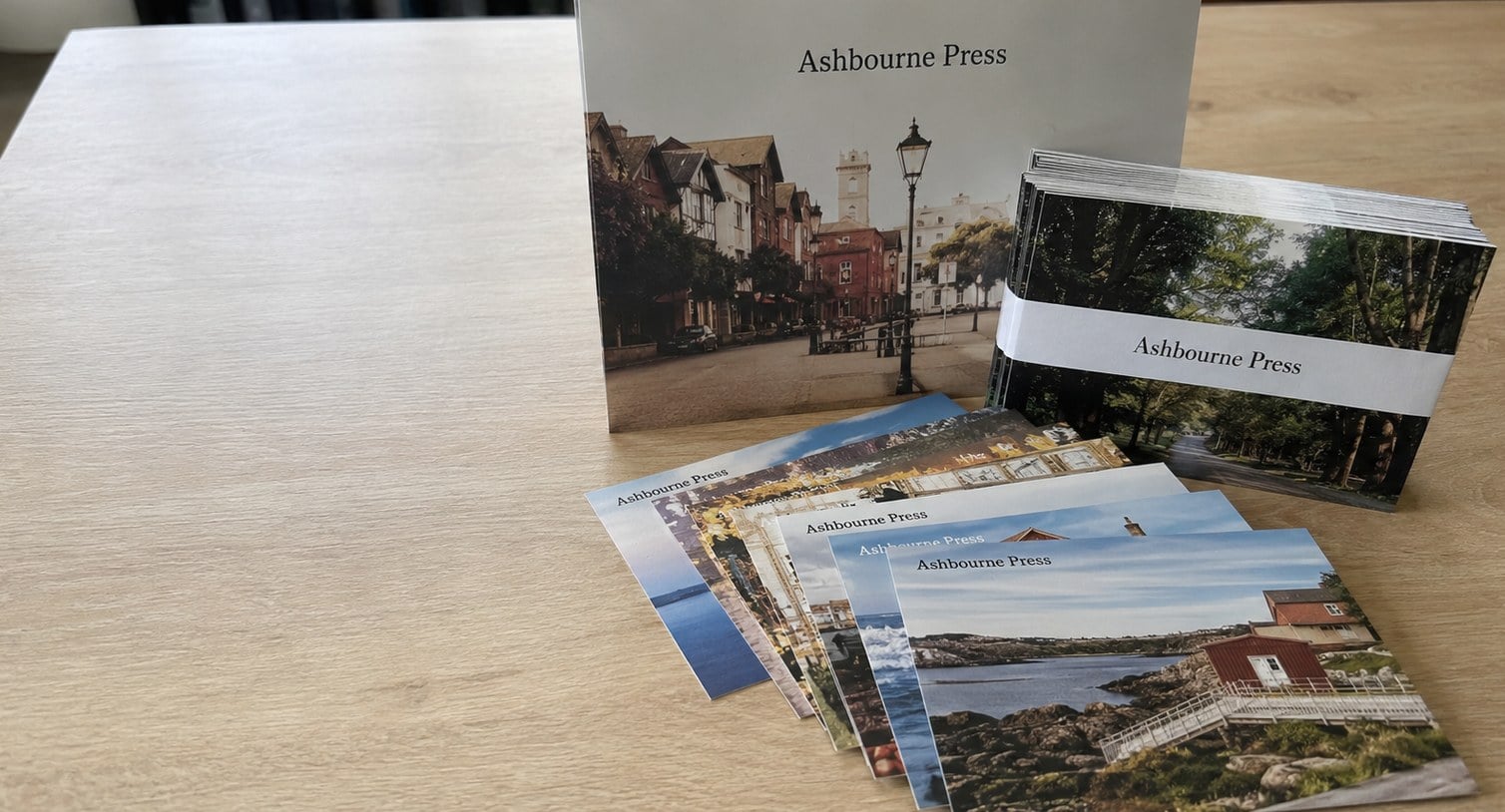
- Rigid card stock keeps postcards flat through mail sorting
- Coatings protect ink-heavy sides from scuffs and fingerprints
- Uncoated surfaces accept pens, stamps and signatures best
- Store postcards boxed, flat, cool and dry
- Free mockup within 24 hours; minimum order 12
How do paper stock and coating decide how long custom postcards last?
Custom postcards last longest when the paper stock is heavy enough to stay flat and the coating is chosen for how the card will be handled. A postcard travels bare through sorting machines, gets carried in a bag, sits on a kitchen counter and may end up pinned to a fridge. The stock decides whether the card bends or creases on that trip, and the coating decides whether the ink scuffs, smudges or fades.
Get Custom Postcards prints on rigid card stock built for mailing, then matches the surface to your design. A photo-heavy front often suits a protective coating, while an address panel or a card meant for handwriting needs a surface that accepts ink. Telling the team how your postcards will be used is the fastest way to land on the right combination.
Think about durability in three stages:
- In transit: stiffness and edge strength matter most.
- In the hand: scuff resistance and a clean feel matter most.
- On display: color stability and a surface that resists fingerprints matter most.
Which postcard stocks and coatings can I choose from?
The main choice for custom postcards is between a coated stock with a protective finish and an uncoated stock with a natural, paper-like surface. Coated postcards hold sharp photos and deep color and shrug off light moisture. Uncoated postcards feel softer and accept pens, pencils and stamps easily, but colors print a little quieter.
| Option | Best for | Watch out for |
|---|---|---|
| Gloss coating | Photo fronts, food, real estate, bright brand colors | Shows fingerprints; ballpoint pens can skip |
| Matte coating | Text-heavy cards, calm brands, premium feel | Very dark solids can show scuffs if handled roughly |
| Uncoated stock | Appointment reminders, notes, stamps, signatures | Dark photos look softer; heavy ink can rub |
| Foil accents | Logos, invitations, client gifts | Needs careful storage to avoid scratches |
For a deeper look at finish only, see the glossy vs matte postcards comparison. If you are unsure, describe the job in your quote request and Get Custom Postcards will recommend a stock and coating with the free mockup.
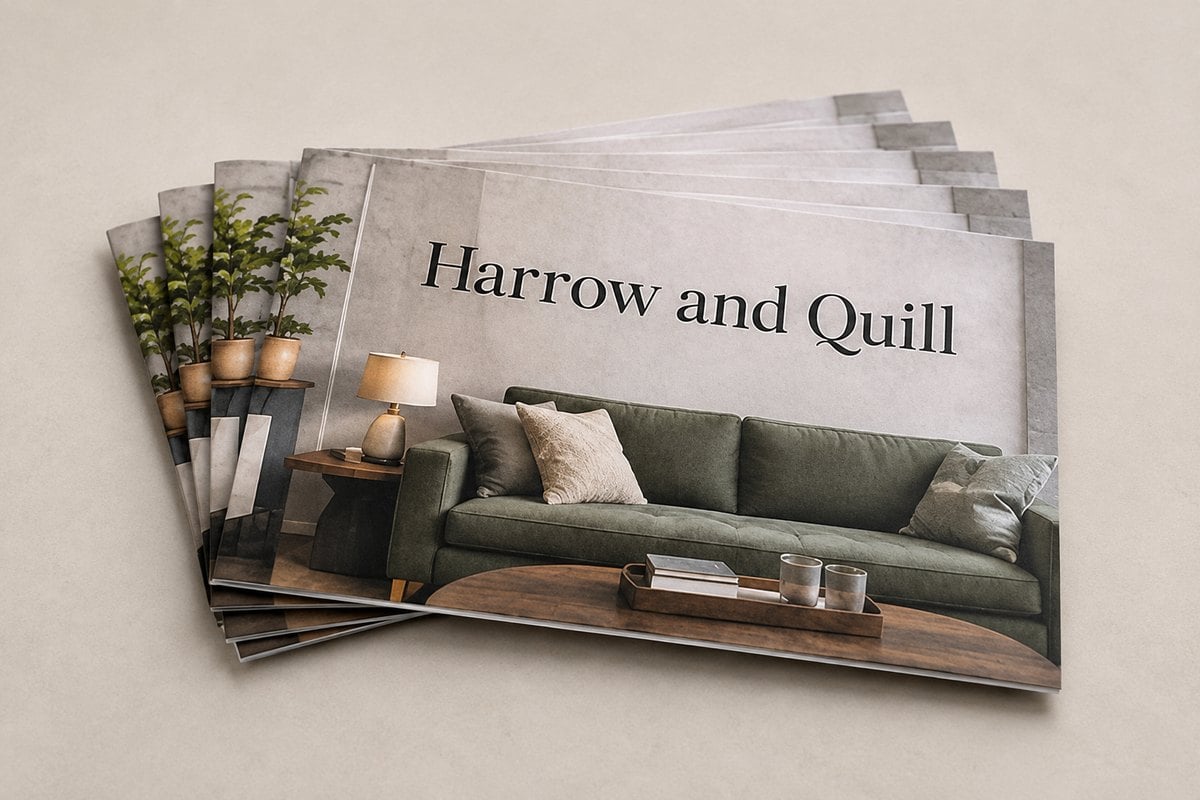
Will custom postcards survive the mail without bending or scuffing?
Well-made custom postcards survive the mail when the stock is rigid and the design leaves the mailing side clean and readable. Postal equipment moves cards quickly between rollers and belts, so the card needs enough stiffness to stay flat and an edge that does not fray. A flimsy card can jam, curl or arrive with a dog-eared corner that makes your brand look careless.
Coatings help most on the side with the most ink. A dark, full-bleed photo front carries a lot of ink and benefits from a protective layer that resists rubbing against other mail. The address side should stay light and simple so postal scanners read it cleanly, which is why most mailing panels sit on a white or very pale background.
A few design choices also improve survival:
- Keep key text and logos inside the safe area so trimming never clips them.
- Avoid placing a thin, dark border right at the edge, where wear shows first.
- Choose a jumbo postcard for long copy rather than cramming small type onto a standard card.
How should I store custom postcards so they stay flat and clean?
Store custom postcards flat, in their original boxes, in a cool and dry room away from direct sun. Paper absorbs moisture from the air, and a box left in a damp garage, a hot car or beside a heating vent can cause curl, warping or a dull, wavy surface. Flat, dry and dark is the simple rule.
Leave the postcards wrapped until you need them. The shrink-wrap or paper bands that come from production keep stacks tight and protect edges from dust. When you open a bundle, take only what you need for the day and put the rest back in the box with the lid closed.
Good storage habits for postcards you will use over several weeks:
- Keep boxes off the floor so a spill or mopped floor cannot reach them.
- Stack boxes flat, never on their ends, so cards do not bow.
- Store foil and dark-coated cards with a sheet of plain paper between loose stacks to prevent rubbing.
- Label each box with the design version and date so staff use older stock first.
How do I keep postcards looking sharp at a counter or in a display?
Postcards on a counter, rack or window display stay sharp when they are out of direct sunlight and refreshed from a stored supply rather than left out for months. A rack near a sunny window can slowly wash out bright colors, and a stack that dozens of customers flip through will pick up fingerprints and bent corners.
For counter use, a coated stock with a matte or gloss finish holds up better than uncoated paper because the surface wipes clean and resists oils from hands. Keep a small stack out and top it up from the box, so the cards customers take are always crisp. Businesses that hand out appointment reminder cards often keep a stack at reception for exactly this reason.
If postcards will be framed or pinned up as art, ask Get Custom Postcards about a finish suited to display. A photo or artwork postcard that people keep is a long-running advertisement, so the surface should still look good long after the mailing date has passed.
Do foil and specialty postcards need extra care?
Foil and specialty postcards need gentler handling than standard printed cards because the metallic layer sits on top of the paper and can scratch if loose cards slide against each other. Treat them like invitations: keep them boxed, handle them by the edges and avoid stacking heavy items on top.
When foil postcards are mailed bare, the foil should cover logos and accents rather than the entire card, which keeps the effect crisp after sorting. For gala invitations, client thank-you cards or high-value announcements, many buyers mail foil postcards in an envelope so they arrive pristine. The same idea applies to any postcard meant as a keepsake.
Write by hand on foil areas with care, since many pens will not grip a metallic surface. Plan a clear, uncoated or matte writing area if you or your staff will add signatures or personal notes, and mark it on your artwork so the mockup shows exactly where ink can go.
How do I choose durable postcards when I request a quote?
The easiest way to get durable custom postcards is to tell Get Custom Postcards how each card will be used, not just what it should look like. A quote request that says the cards will be mailed bare, handed out at events or signed by hand gives the team what they need to recommend the right stock and coating.
Include these details in your request:
- How the postcards will travel: bare in the mail, in envelopes, or by hand.
- Whether anyone will write, stamp or sign on them.
- How long you expect to keep extra stock on hand.
- Whether any cards will be displayed in a window or on a counter.
- Any special finish you want, such as foil.
Get Custom Postcards returns a free mockup within 24 hours, offers unlimited free revisions and asks you to pay nothing until you approve the design. Standard turnaround is 2 to 4 weeks after approval, with faster turnaround available with express shipping, and the minimum order is 12 postcards. Start with the custom quote form or read how it works first.
Frequently asked questions
Will custom postcards bend or crease while going through the mail?
Custom postcards printed on rigid card stock rarely bend or crease in the mail, because the stiffness lets them move flat through sorting machines. Problems usually come from thin paper or long copy squeezed onto a small card. Get Custom Postcards prints on stock made for mailing, and choosing a jumbo size for wordy designs keeps the layout open without weakening the card.
Does a coating stop postcard ink from scuffing during mail sorting?
Postcards with a protective coating resist scuffing much better than uncoated cards, especially on dark, ink-heavy photo fronts that rub against other mail. The coating adds a thin layer over the ink so rollers and neighboring envelopes do less damage. Keep the address side light and simple so the mailing panel stays readable even if the front picks up minor wear.
How should I store leftover custom postcards between mailings?
Leftover custom postcards should go back in their original box, stored flat in a cool, dry room away from sunlight and heat vents. Keep the shrink-wrap on unopened bundles and stack boxes flat rather than on their ends. Label each box with the design version so staff use older postcards first and nothing outdated gets mailed by mistake.
Can humidity or a damp storage room damage printed postcards?
Printed postcards can curl, warp or lose their crisp surface when stored somewhere humid, such as a basement, garage or room near a dishwasher. Paper absorbs moisture from the air, so the fix is simple: keep boxes closed, off the floor and in a climate-controlled space. Get Custom Postcards ships cards wrapped and boxed to protect them until they are needed.
Should counter-display postcards use a different stock than mailed postcards?
Counter-display postcards benefit from a coated finish that wipes clean and resists fingerprints, while mailed postcards mainly need stiffness to survive sorting. The same rigid stock often works for both, with the coating chosen for handling. If one design will be mailed and also stacked at reception, mention both uses in your quote request so the finish suits both jobs.
Can I keep a box of custom postcards on hand for months without curling?
Custom postcards can stay flat and fresh for months when they remain boxed, wrapped and stored flat in a dry, temperature-steady room. Curling comes from moisture and uneven pressure, not time alone. Avoid storing postcards in vehicles, near windows or under heavy items. Rotate stock so older cards go out first, and reorder before a design or offer starts to look out of date.
Do foil postcards need special handling when storing or mailing them?
Foil postcards need a little more care because the metallic layer can scratch when loose cards slide together. Keep them boxed, handle them by the edges and slip plain paper between loose stacks. For gala invitations or client gifts, many Get Custom Postcards buyers mail foil cards in envelopes so the shine arrives untouched, while bare mailings work best with foil on logos and accents.
Can I request an uncoated, natural paper look for custom postcards?
Custom postcards can be requested with an uncoated, natural paper feel, which suits handwritten notes, stamps and calm brands. Describe the look you want in your quote request and the team will confirm what is available and show it in the free mockup. Get Custom Postcards will also point out where an uncoated surface may soften dark photos so you can decide confidently.
What causes ink to rub off postcards, and how can it be prevented?
Ink rubs off postcards most often on heavy, dark areas of uncoated stock, or when cards are handled before they have fully settled after printing. A protective coating on ink-heavy sides prevents most rubbing, and lighter backgrounds on handled areas help too. Get Custom Postcards reviews each design during the mockup stage and will suggest a coating when the artwork carries a lot of ink.
How should custom postcards be shipped to a mail house so they arrive flat?
Custom postcards travel safely to a mail house when they stay in their production boxes with bundles wrapped and boxes packed tightly so cards cannot shift. Share the mail house address in your order and Get Custom Postcards can ship there directly. Ask the mail house to keep the boxes flat and dry until processing so every postcard enters the mail in good condition.
Do photo-heavy postcard fronts need a different finish than text-heavy backs?
Photo-heavy postcard fronts usually benefit from a protective finish that keeps colors rich and resists scuffs, while text-heavy backs need a surface that stays readable and, in some cases, accepts ink. The two sides do different jobs, so the finish can follow the job. Describe each side in your request and the mockup will show how the combination comes together before anything prints.
Will a heavier postcard make my business look more established?
Postcards on sturdy, rigid stock feel more substantial in the hand, and recipients tend to read that weight as care and quality. A thin card can feel disposable no matter how strong the design is. Get Custom Postcards prints on rigid mailing stock by default, and pairing it with a clean layout and a suitable finish does more for perceived quality than any single feature.
Get a free mockup for your postcards
Send your logo or idea and the quantity you have in mind. Get Custom Postcards returns a free mockup within 24 hours, you approve the design before anything is produced, and standard turnaround is 2 to 4 weeks with faster options available. Get a custom quote.